
Organizations need structured approaches that support growth, inclusion, and retention. Talent management systems help leaders create environments that support mentorship, skill development, and equitable opportunities across the employee lifecycle. These platforms also reduce manual administration, which allows HR and people teams to focus on strategic talent decisions.
According to MentorcliQ’s Mentoring Impact Report, employees who participate in mentoring are disproportionately likely to stay for the long term. This finding highlights how talent development technology drives stronger retention outcomes.
Strong systems connect employee development and aspirations with organizational needs and make learning pathways accessible for all employees.
What Is a Talent Management System?
A talent management system is a software platform that supports the full employee lifecycle, including hiring, onboarding, development, performance, and succession planning. According to the Oxford Dictionary of Business and Management, talent management refers to the “strategic use of HR processes to attract, develop, and retain people with the skills and aptitude to meet current and future organizational needs.” Modern platforms centralize these processes into one digital environment.
Key Features of Talent Management Systems You Should Look For
Organizations adopt talent management systems to create fair, repeatable processes that develop employees consistently. Leaders should look for features that support learning, mentoring, internal mobility, and clear feedback loops. These capabilities help HR teams build programs that advance workforce equity and performance.
Learning and Development Tools
These tools provide structured access to learning pathways and skill-building resources. Teams use them to help employees progress toward goals and support continuous upskilling.
Performance Management
Performance tools align individual goals with organizational objectives. They create consistent review cycles and provide feedback structures that support equitable assessment.
Internal Mobility and Career Pathing
Career pathing functions help employees explore opportunities and move into roles that fit their strengths. These tools improve transparency and increase retention.
Succession Planning
Succession tools identify future leaders. HR teams use them to build robust pipelines and prepare for organizational changes.
Mentoring and Coaching Capabilities
Integrated mentoring features connect employees for development, knowledge sharing, and inclusion. Automated matching and tracking help teams scale programs without administrative burden.
12 Best Talent Management Systems for Developing a High-Performing Workforce
1. MentorcliQ
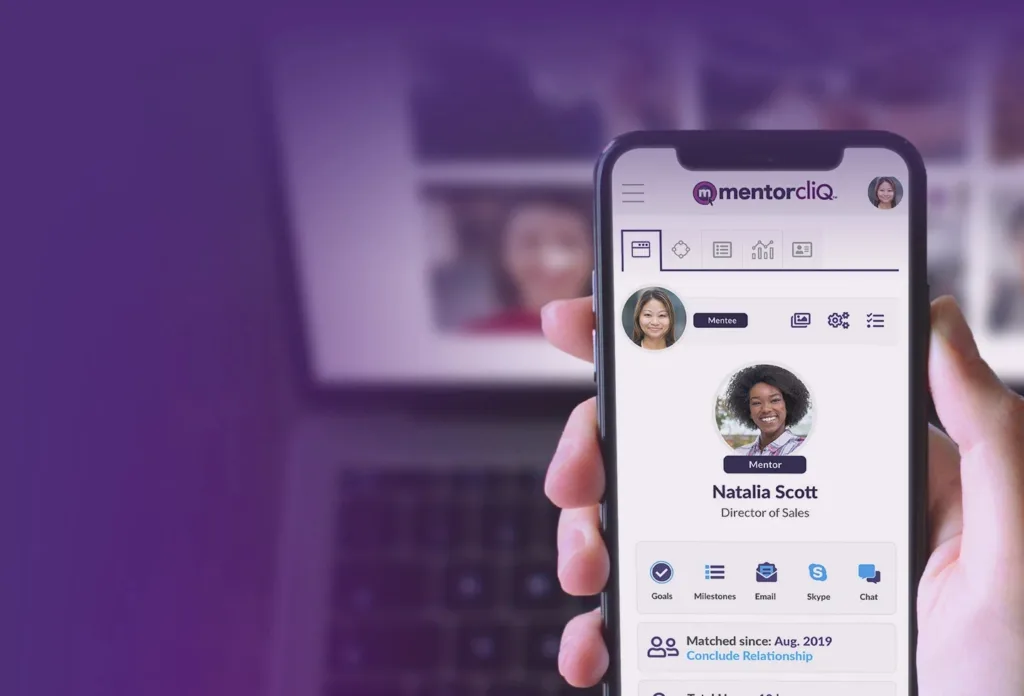
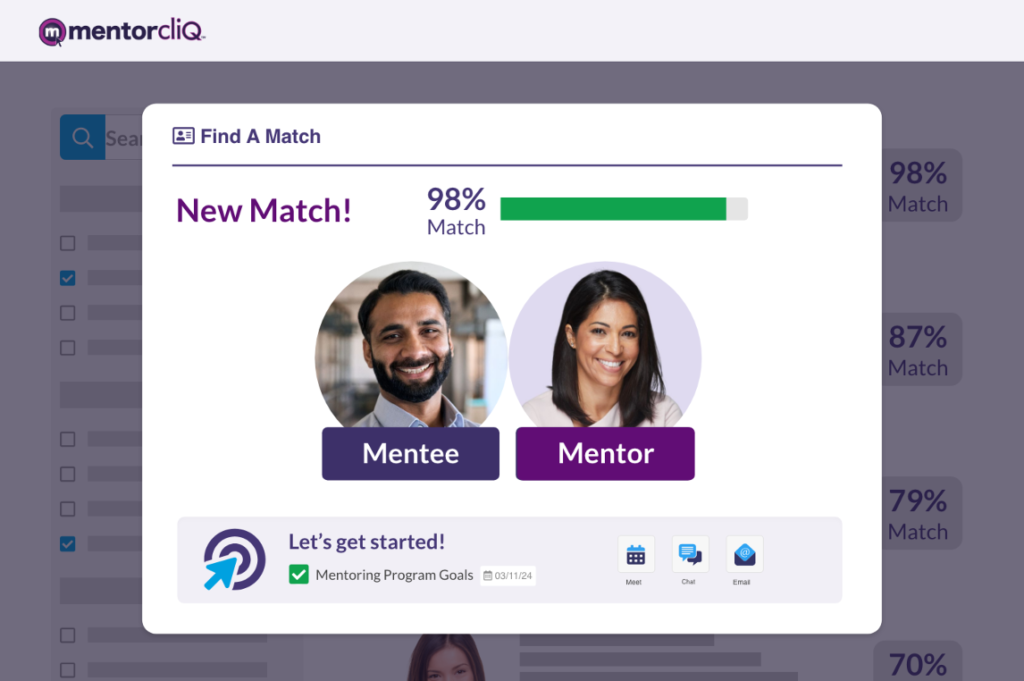
MentorcliQ is an industry-leading platform for structured mentoring and talent development. It supports enterprise programs with automated matching, participant tracking, and robust analytics. Organizations use MentorcliQ to build inclusive development experiences that reduce turnover and strengthen leadership pipelines. Its highly configurable workflows help administrators scale formal, informal, and ERG-based mentoring without manual effort.
Key Features:
- Intelligent Matching: AI-driven pairing creates strong mentor–mentee alignment and reduces setup time.
- Comprehensive Program Management: Automated workflows manage enrollment, communication, and reporting at scale.
- Robust Analytics: Clear dashboards measure engagement, outcomes, and program impact across teams and demographic groups.
Best for: Enterprises seeking structured, scalable mentoring that strengthens retention and DEI outcomes.
Watch the free 4-minute MentorcliQ
Demo Video right here👇
2. Workday
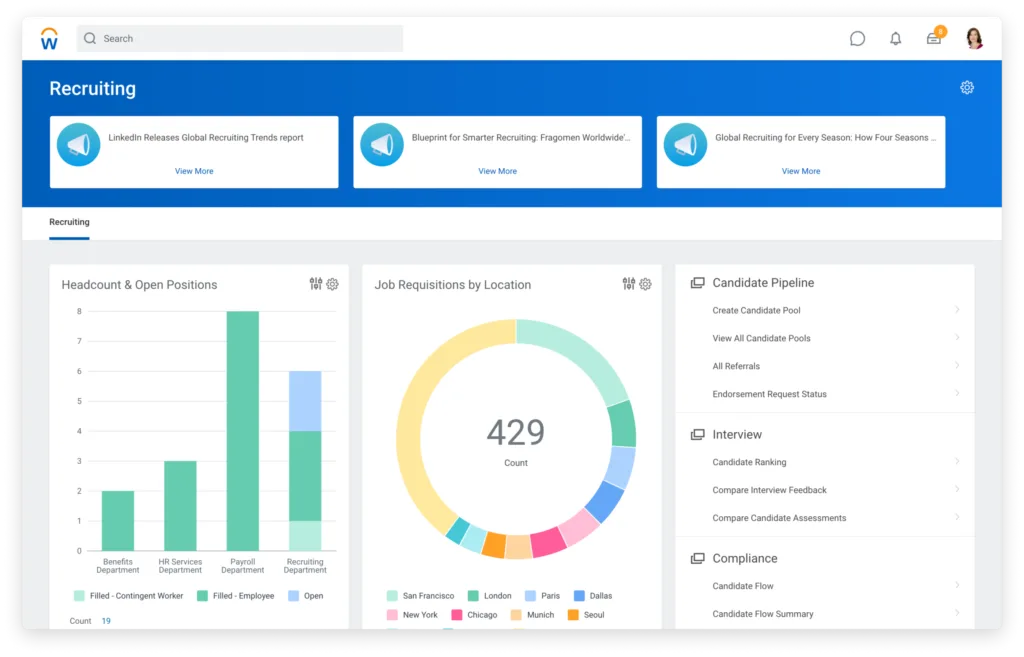
Workday offers a broad suite for performance, learning, and career development. It helps organizations align goals and identify skill gaps. Workday integrates data across HR functions to improve visibility into workforce needs.
Key Features:
- Goal Management: Supports alignment between individual and organizational objectives.
- Skills Cloud: Provides a dynamic view of workforce capabilities.
- Career Hub: Helps employees explore roles and development resources.
Best for: Large organizations using Workday HCM that want unified data for talent decisions.
3. SAP SuccessFactors
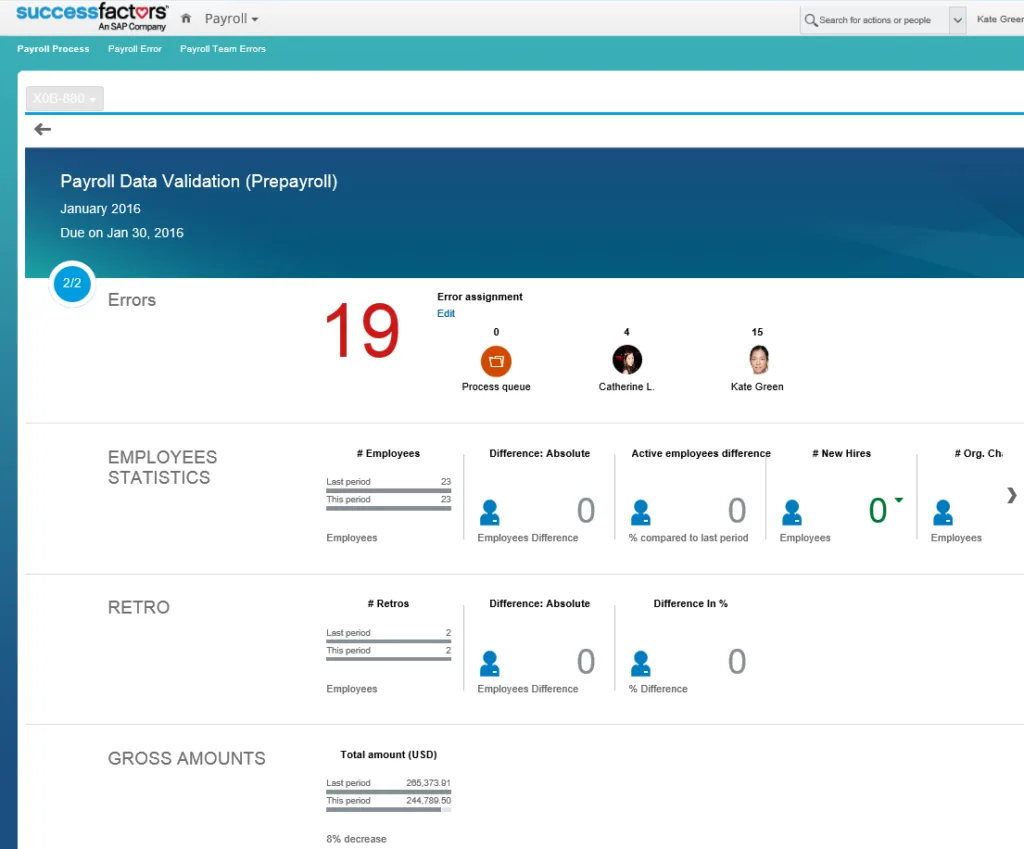
SuccessFactors provides tools for learning, performance, and succession planning. The platform focuses on workforce experiences through structured development frameworks.
Key Features:
- Learning Management: Supports compliance and skill development.
- Continuous Performance: Enables frequent feedback cycles.
- Succession Tools: Maps talent pools and leadership readiness.
Best for: Global organizations requiring mature HR workflows.
4. Oracle Cloud HCM
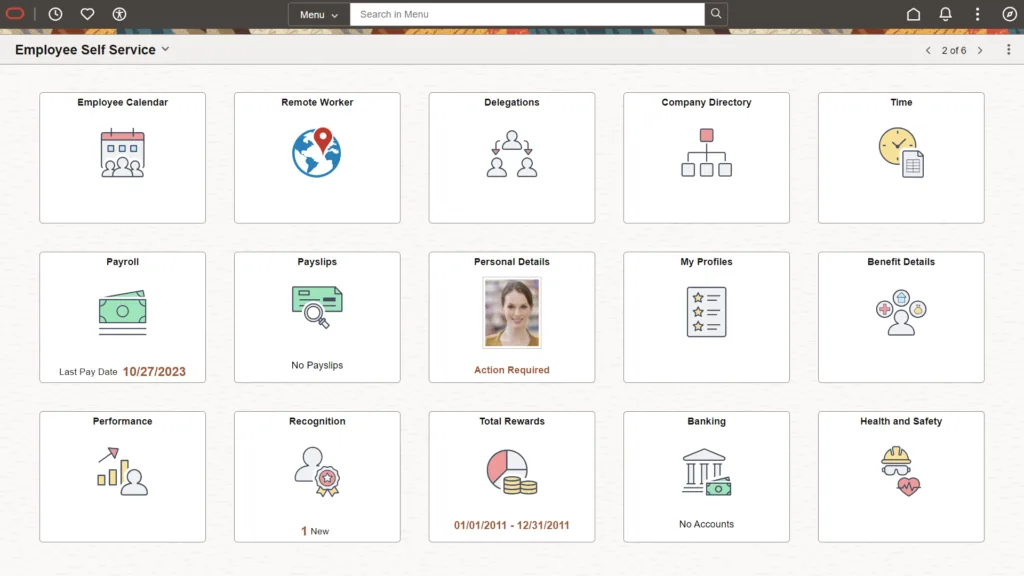
Oracle’s platform integrates performance, learning, and recruitment. It uses skills-based insights to support workforce planning.
Key Features:
- Skills-Driven Development: Links learning recommendations to individual skill profiles.
- Performance and Goal Management: Standardizes review processes.
- Career Development Tools: Guides mobility and planning conversations.
Best for: Enterprises seeking end-to-end HR modernization.
5. UKG Pro
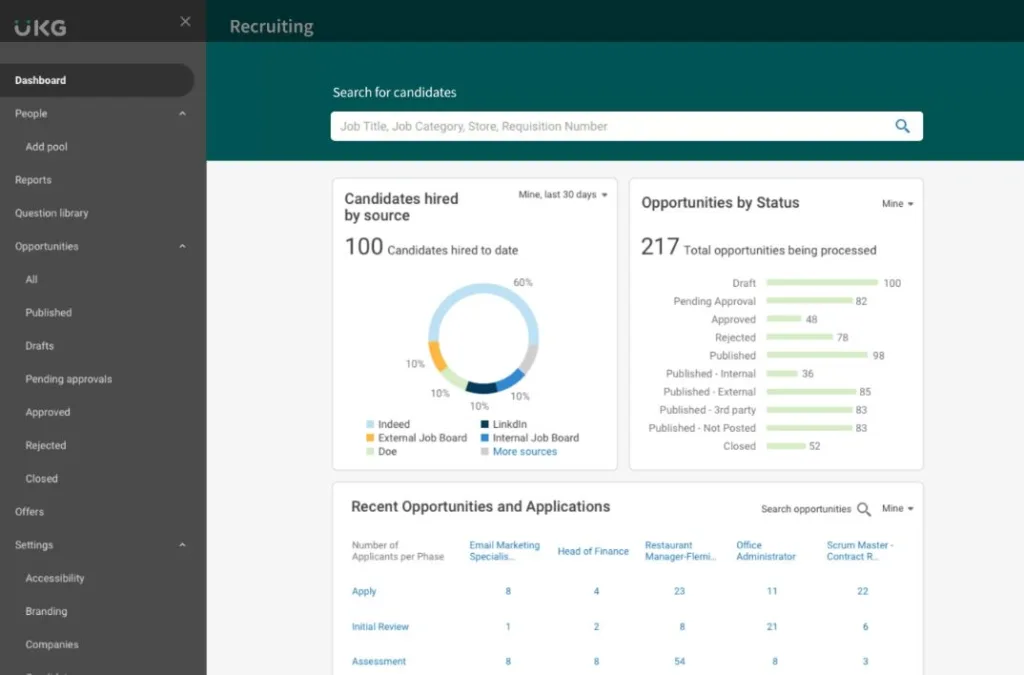
UKG Pro supports performance, succession, and learning inside one system. It focuses on employee experience and equitable access to development.
Key Features:
- Feedback and Coaching: Encourages ongoing conversations.
- Talent Review Grids: Identifies high-potential employees.
- Integrated Learning: Connects development plans to content.
Best for: Organizations needing user-friendly tools that support manager–employee engagement.
6. Cornerstone
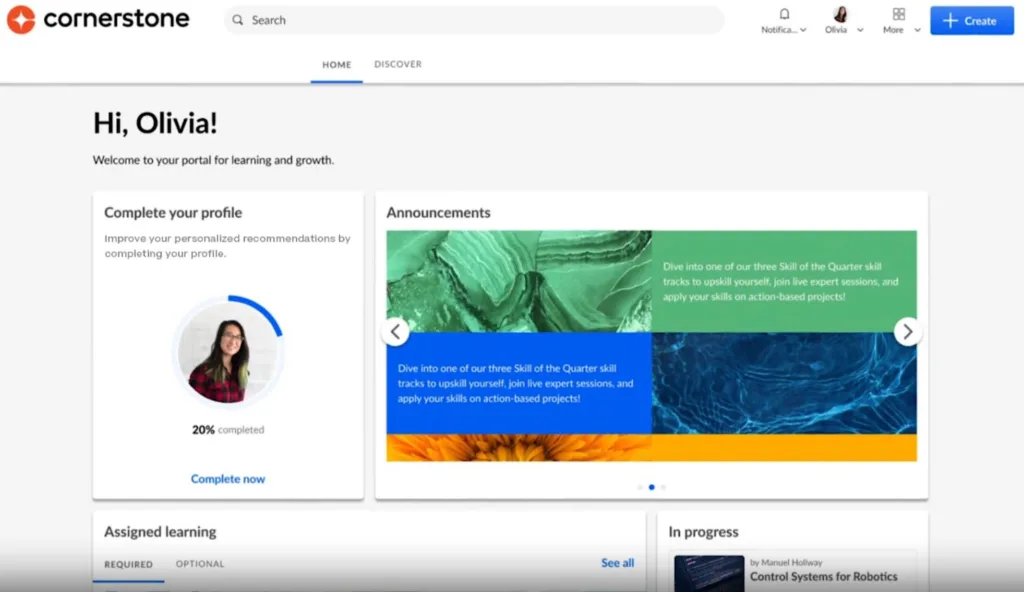
Cornerstone combines learning, performance, and growth tools. It uses AI to recommend learning paths and development opportunities.
Key Features:
- Personalized Learning: Suggests content based on skills and interests.
- Performance Tools: Standardizes goals and assessments.
- Talent Marketplace: Supports project-based development.
Best for: Companies prioritizing continuous learning.
7. BambooHR
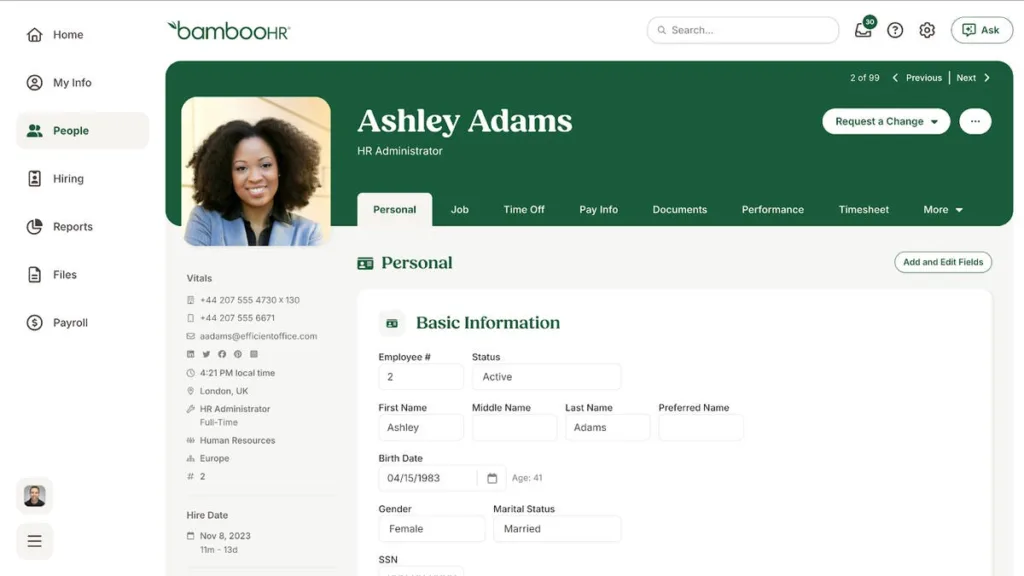
BambooHR focuses on small to mid-sized companies. It simplifies performance reviews and development conversations.
Key Features:
- Lightweight Performance Reviews: Helps teams run structured feedback cycles.
- Goal Tracking: Encourages alignment and follow-through.
- Employee Well-Being Tools: Supports balanced development.
Best for: Growing businesses needing accessible tools.
8. Eightfold AI
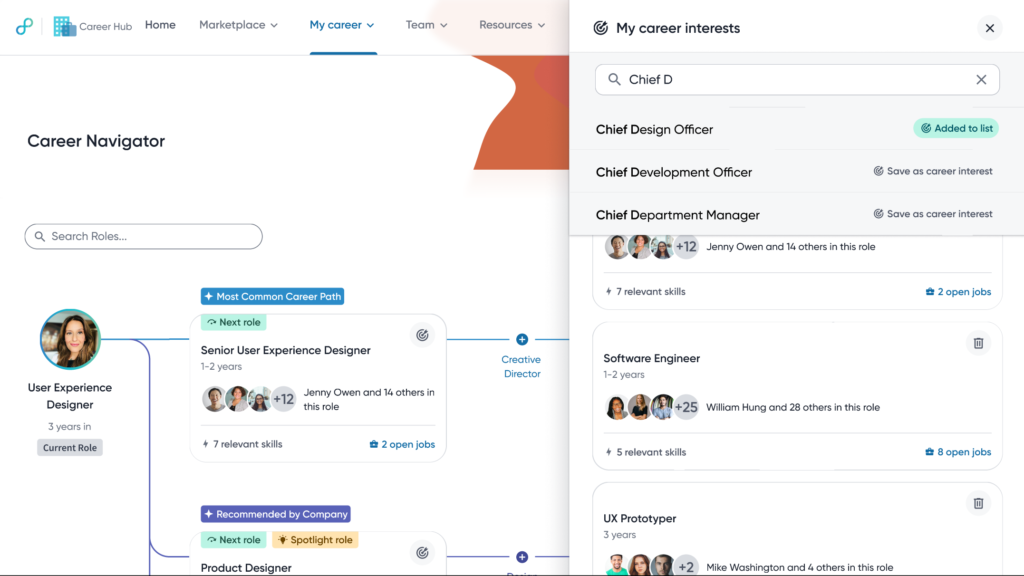
Eightfold uses AI to identify skills, talent gaps, and career opportunities across an organization.
Key Features:
- Skills Intelligence: Maps current and potential capabilities.
- Career Hub: Guides employees to internal opportunities.
- Diversity Insights: Highlights patterns in hiring and development.
Best for: Organizations focused on skills-based workforce planning.
9. ClearCompany
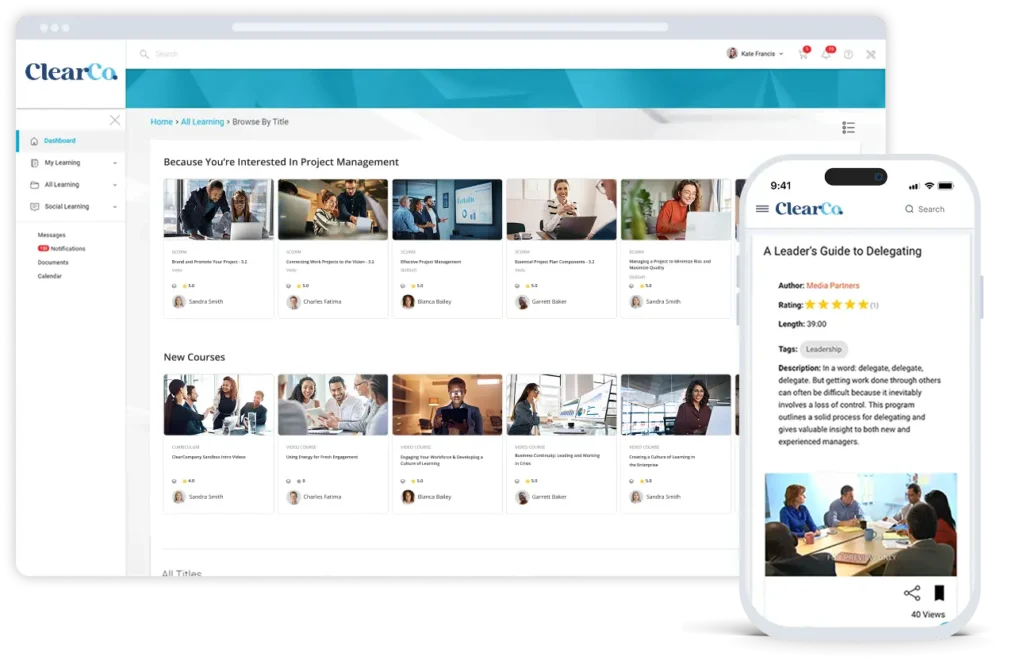
ClearCompany supports hiring, onboarding, performance, and engagement.
Key Features:
- Goal Alignment: Links objectives across teams.
- Engagement Surveys: Measures sentiment and development needs.
- Onboarding Tools: Provides consistent early experiences.
Best for: Organizations wanting integrated hiring-to-performance workflows.
10. SmartRecruiters
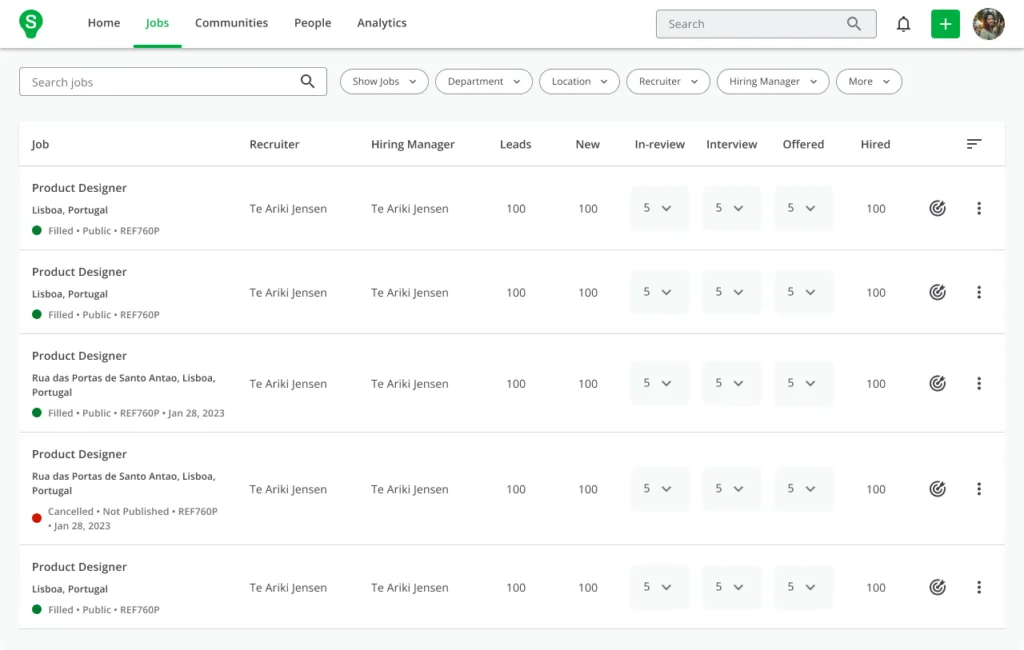
SmartRecruiters focuses on hiring but also connects to development and mobility tools.
Key Features:
- Modern Applicant Tracking: Improves candidate experience.
- Collaborative Hiring: Supports unified evaluation.
- Marketplace Integrations: Extends capability into development.
Best for: Companies prioritizing strong recruiting ecosystems.
11. Paycor
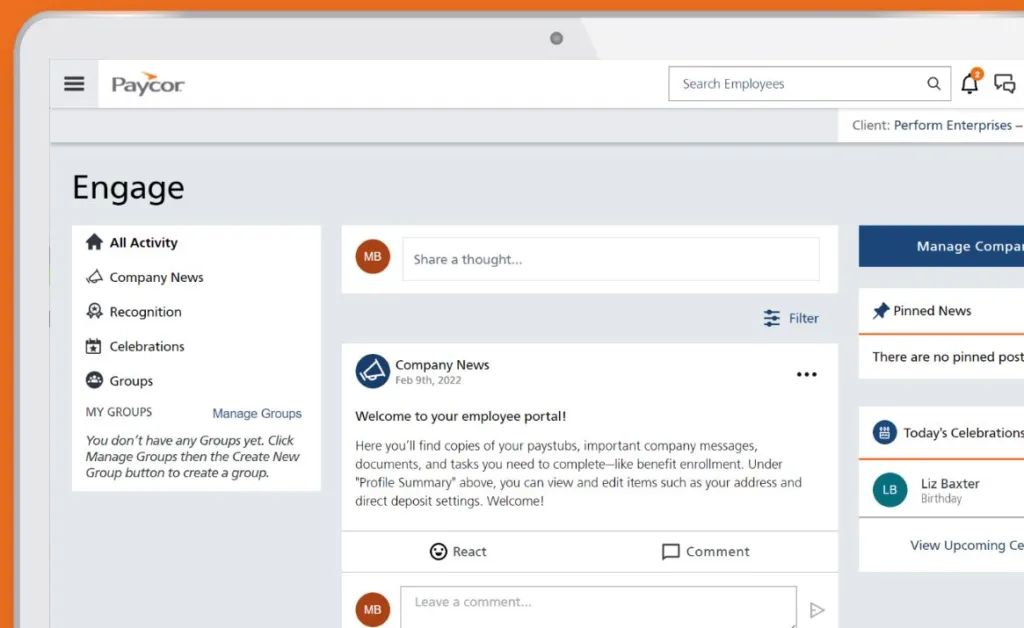
Paycor supports performance and development for mid-sized organizations with simple, structured tools.
Key Features:
- Continuous Feedback: Supports regular manager–employee check-ins.
- Goal Tracking: Aligns objectives with organizational priorities.
- Performance Insights: Provides clear data for fair evaluations.
Best for: Mid-sized organizations needing accessible performance and development tools.
12. Gloat
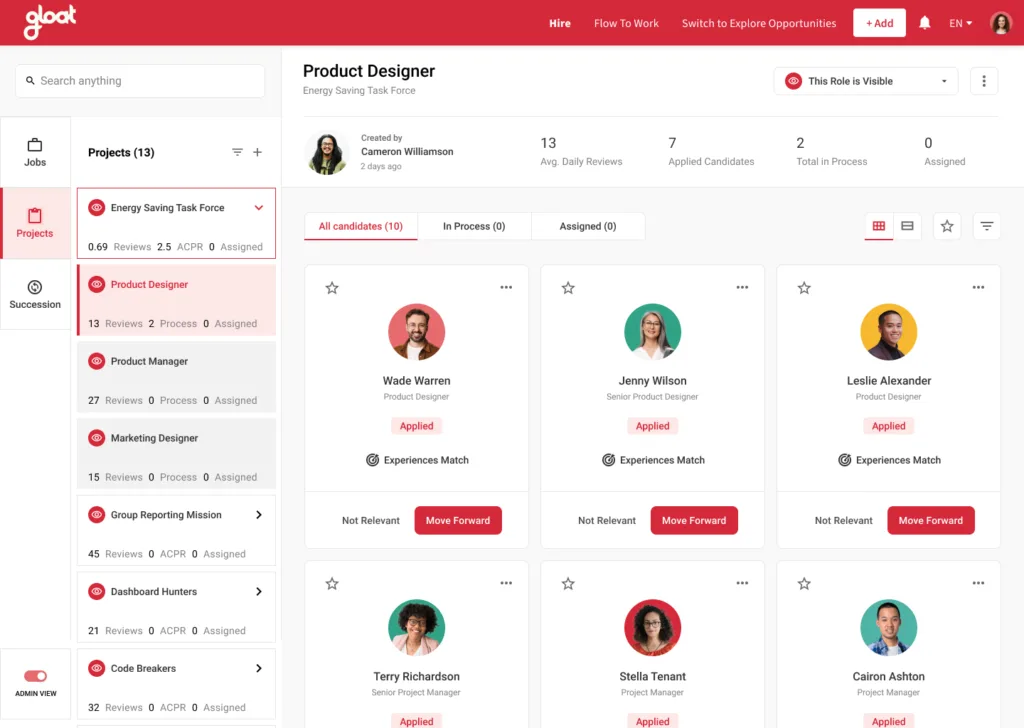
Gloat focuses on internal mobility and project-based development.
Key Features:
- AI-Driven Opportunity Matching: Helps employees find stretch projects.
- Skills Profiles: Increases visibility into workforce strengths.
- Talent Mobility Tools: Supports agile workforce planning.
Best for: Organizations building internal marketplaces.
Benefits of Talent Management Systems
Integrated talent management systems unify development, improve retention, ensure fair processes, and strengthen succession planning, creating a more resilient and future-ready workforce.
Integrated Workforce Development
Talent management systems connect learning, mentoring, performance, and mobility. This integration supports employee growth and helps HR teams create pathways that address skill gaps and business priorities.
Stronger Retention
Employees who see clear development opportunities tend to stay longer. Systems that include mentoring and structured development increase commitment and reduce attrition risk.
Consistent and Equitable Processes
Digitized workflows reduce bias, create repeatable review cycles, and provide visibility into employee progress. Teams use these tools to administer performance and development fairly.
Better Succession Planning
Systems help leaders identify future managers and emerging talent. This visibility strengthens leadership pipelines and reduces risk during transitions.
Build a More Inclusive Talent Development Strategy
Leaders play a direct role in shaping equitable growth experiences. Talent management systems help them track development, make informed decisions, and provide employees with consistent support.
Platforms like MentorcliQ give organizations the tools to scale mentoring, strengthen inclusion, and support long-term retention.
Book a Demo with MentorcliQ to learn how your organization can build stronger, scalable mentoring programs.