
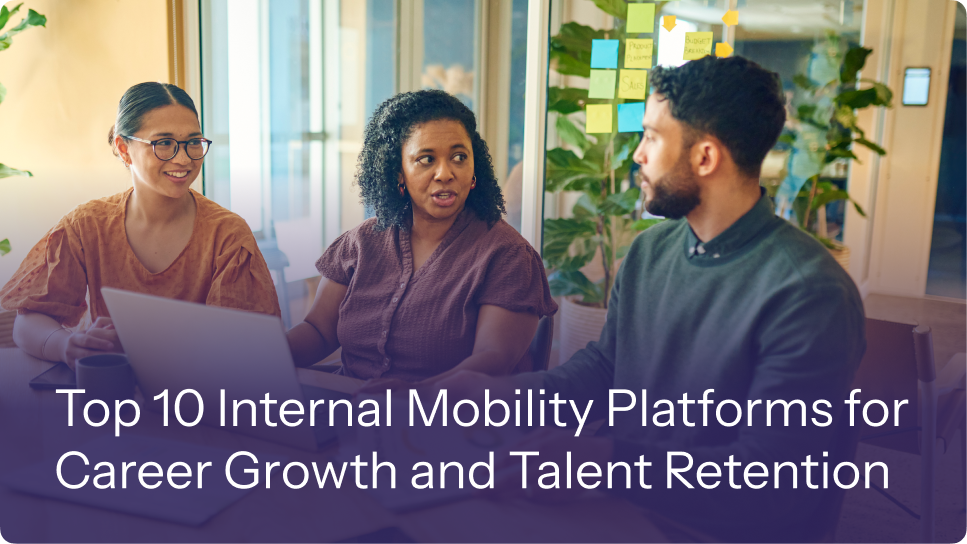
Organizations face rising pressure to retain talent while meeting evolving skill needs. Employees expect visibility into career paths, short-term opportunities, and support for development conversations. Internal mobility platforms help connect people to roles, projects, and mentors without relying on external hiring alone.
Internal movement also supports equity. When opportunities stay visible and structured, access improves across teams and demographics. According to MentorcliQ mentoring data, employees with access to career development support show higher retention and engagement over time. Internal mobility programs provide the structure needed to support these outcomes at scale.
What Is an Internal Mobility Platform?
An internal mobility platform is software that helps employees explore, pursue, and transition into new roles, projects, or career paths within their organization. These platforms surface opportunities, align skills to business needs, and support career conversations between employees and managers. Many platforms also integrate mentoring, talent marketplaces, and workforce planning to reduce reliance on external hiring and improve retention.
Key Features of Internal Mobility Platforms You Should Look For
Strong internal mobility depends on transparency, structure, and measurable outcomes. The right platform reduces manual coordination while supporting fair access to opportunities. These features help organizations move talent efficiently and support long-term growth.
Opportunity Marketplace
Centralized listings for roles, projects, and stretch assignments help employees see what is available. Marketplaces reduce reliance on informal networks and manager gatekeeping.
Skills and Career Path Visibility
Clear skills data and career pathways help employees understand what is needed for progression. This supports focused development planning and better talent matching.
Mentoring and Career Conversation Support
Mentoring and structured career conversations help employees prepare for movement. Platforms should support matching, tracking, and outcomes.
Manager and HR Insights
Reporting and dashboards help leaders track participation, movement patterns, and equity across teams. This data supports workforce planning and DEI goals.
10 Best Internal Mobility Platforms for Career Growth and Talent Retention
1. MentorcliQ
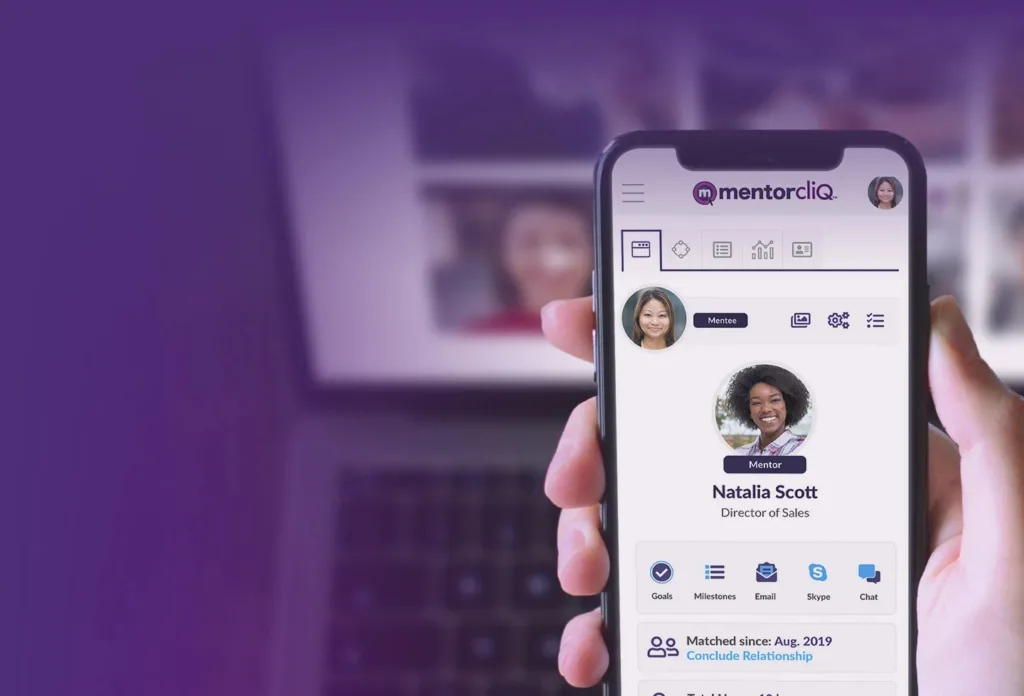
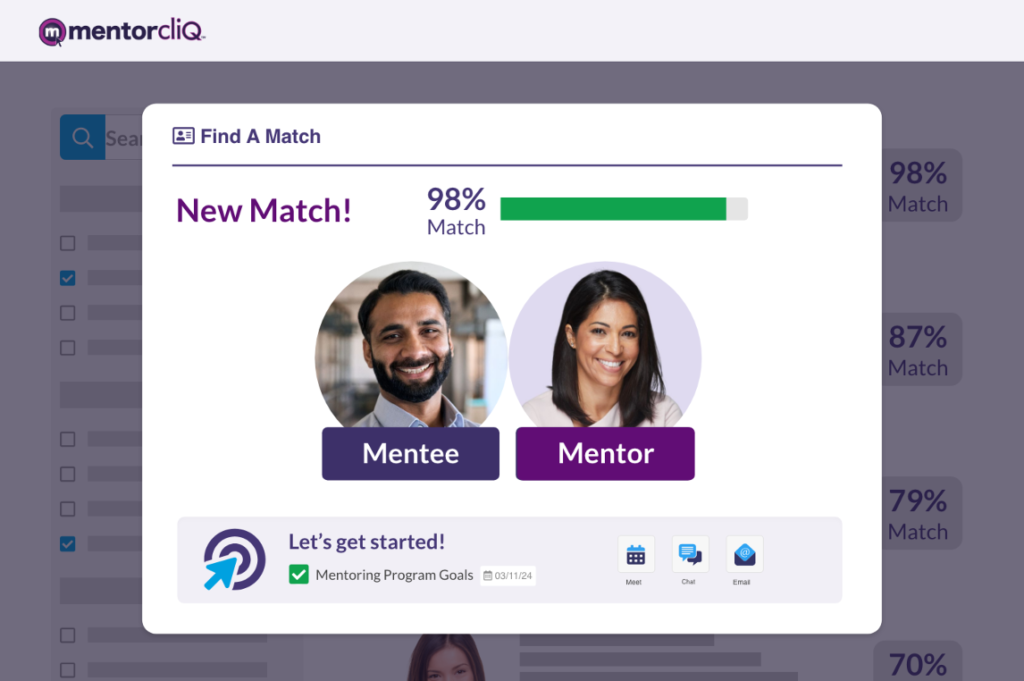
MentorcliQ provides a comprehensive platform that connects internal mobility, mentoring, and career development into one system. It supports structured mentoring programs, internal talent movement, and career conversations at scale. Organizations use MentorcliQ to reduce manual coordination while gaining clear insight into participation, progress, and outcomes.
MentorcliQ focuses on equitable access to opportunities through transparent matching and reporting. Its analytics help HR leaders link internal movement to retention, engagement, and leadership development outcomes.
Key Features:
- Mentoring and Career Conversations: Supports structured mentor–mentee relationships tied to career growth and readiness.
- Internal Opportunity Alignment: Connects mentoring outcomes to internal roles, projects, and development plans.
- Robust Analytics: Provides visibility into participation, mobility trends, and program impact.
Best for: Enterprise organizations building scalable, measurable internal mobility through mentoring and career development.
Watch the free 4-minute MentorcliQ
Demo Video right here👇
2. Gloat
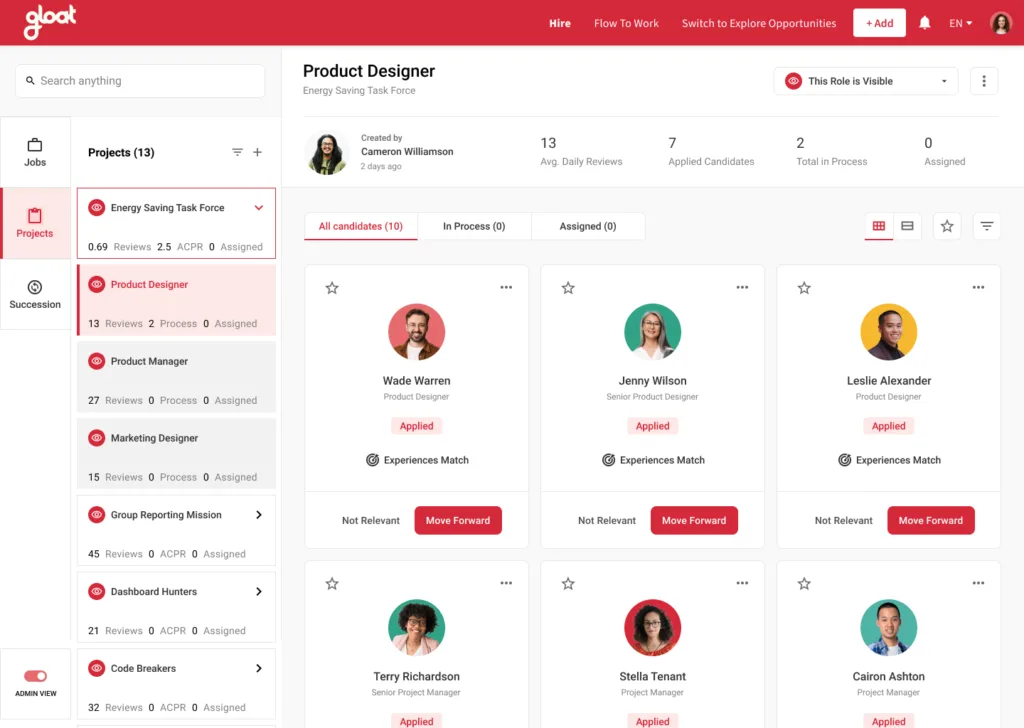
Gloat offers an AI-driven talent marketplace that matches employees to projects and roles based on skills. It supports internal gigs and short-term assignments to promote skill development.
Key Features:
- Talent Marketplace: Surfaces roles and projects across the organization.
- Skills Matching: Uses skills data to recommend opportunities.
- Workforce Insights: Supports planning and capacity visibility.
Best for: Organizations focused on project-based internal movement.
3. Fuel50
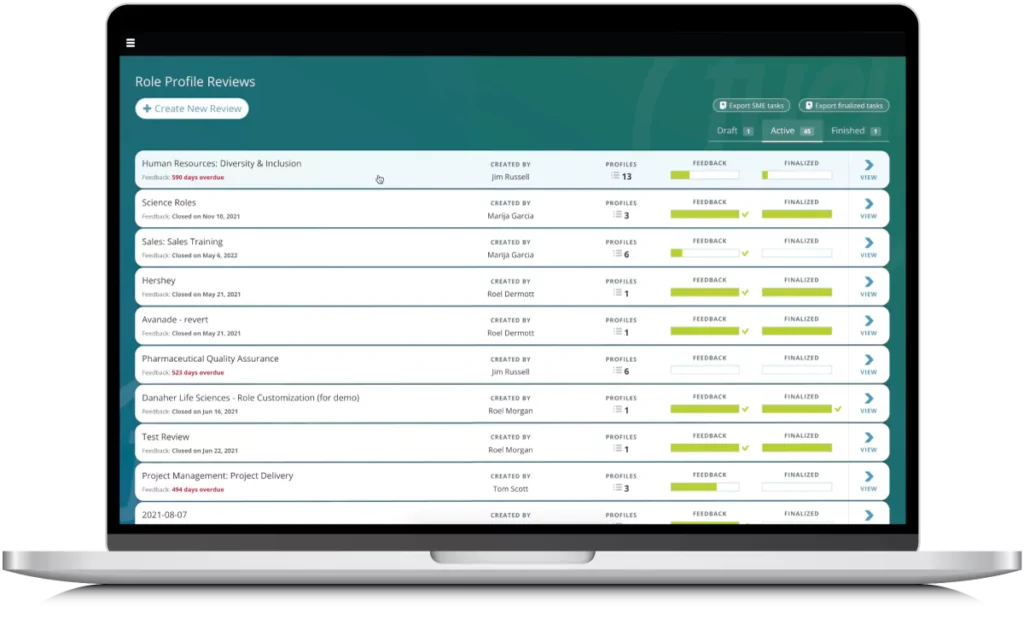
Fuel50 focuses on career pathing and employee-led development planning. It helps employees explore future roles and required skills.
Key Features:
- Career Path Frameworks: Visual role progression models.
- Development Planning: Guides employees toward readiness.
- Manager Tools: Supports structured career conversations.
Best for: Companies prioritizing career path clarity.
4. Phenom
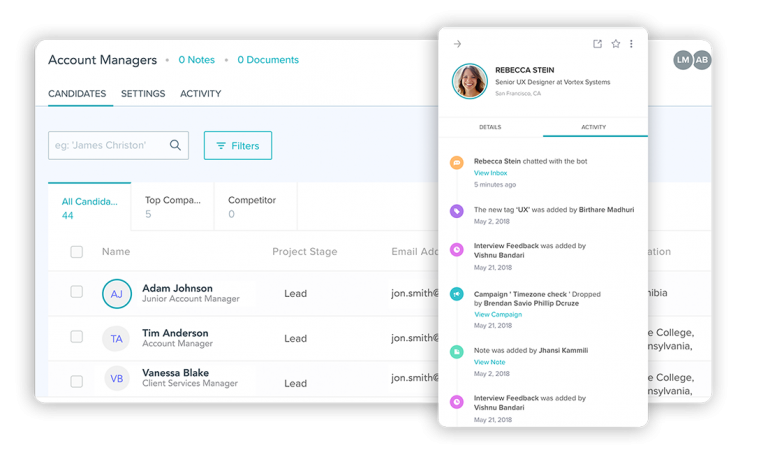
Phenom combines internal mobility with talent experience tools. It supports internal job discovery and skills-based matching.
Key Features:
- Internal Job Marketplace: Personalized role recommendations.
- AI Skills Insights: Supports matching and development.
- Employee Experience Tools: Focuses on engagement.
Best for: Large organizations with complex talent ecosystems.
5. Eightfold AI
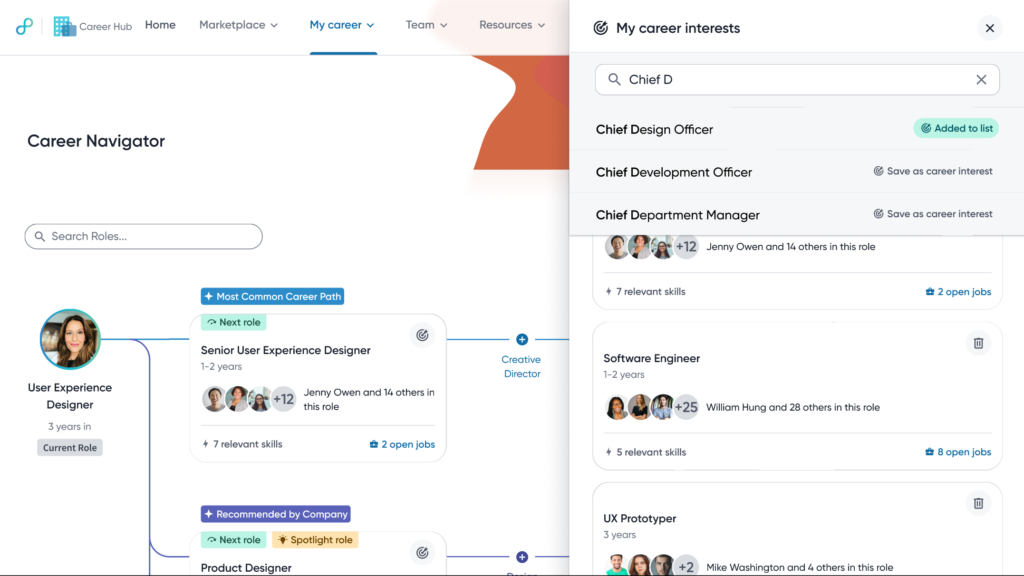
Eightfold AI provides skills-based talent intelligence across hiring and internal mobility. It supports workforce planning and redeployment.
Key Features:
- Skills Graph: Maps skills across the workforce.
- Internal Talent Matching: Recommends roles and projects.
- Analytics: Supports strategic planning.
Best for: Data-driven talent strategy teams.
6. Workday Talent Marketplace
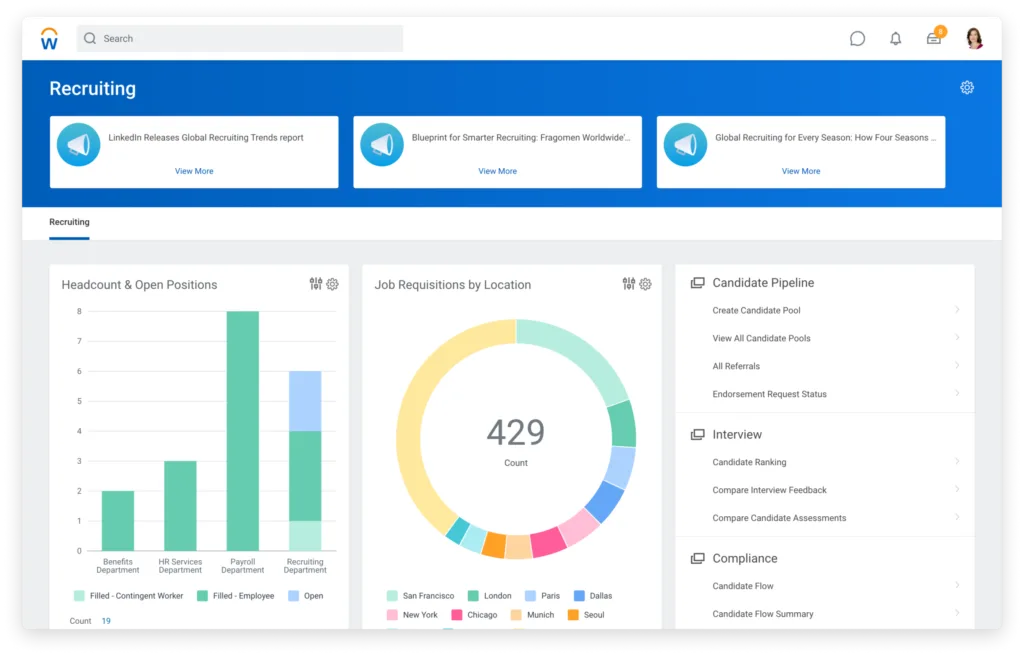
Workday’s marketplace integrates internal mobility into its HCM platform. It supports internal gigs and role visibility.
Key Features:
- Native Workday Integration: Uses existing employee data.
- Opportunity Listings: Supports gigs and roles.
- Manager Visibility: Aligns staffing needs.
Best for: Existing Workday customers.
7. SAP SuccessFactors
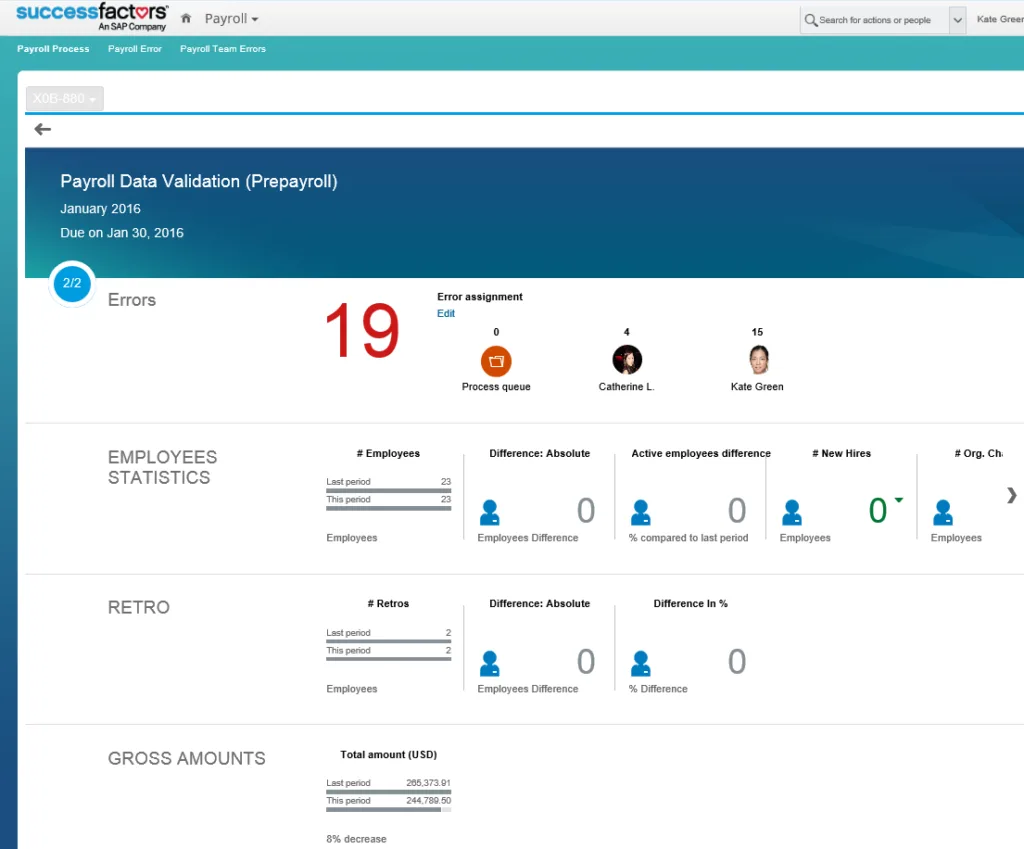
SAP’s solution supports internal projects and short-term assignments. It integrates with SuccessFactors HR data.
Key Features:
- Project-Based Mobility: Supports temporary assignments.
- Skills Profiles: Uses HR data for matching.
- Enterprise Integration: Fits SAP environments.
Best for: SAP-centric organizations.
8. LinkedIn
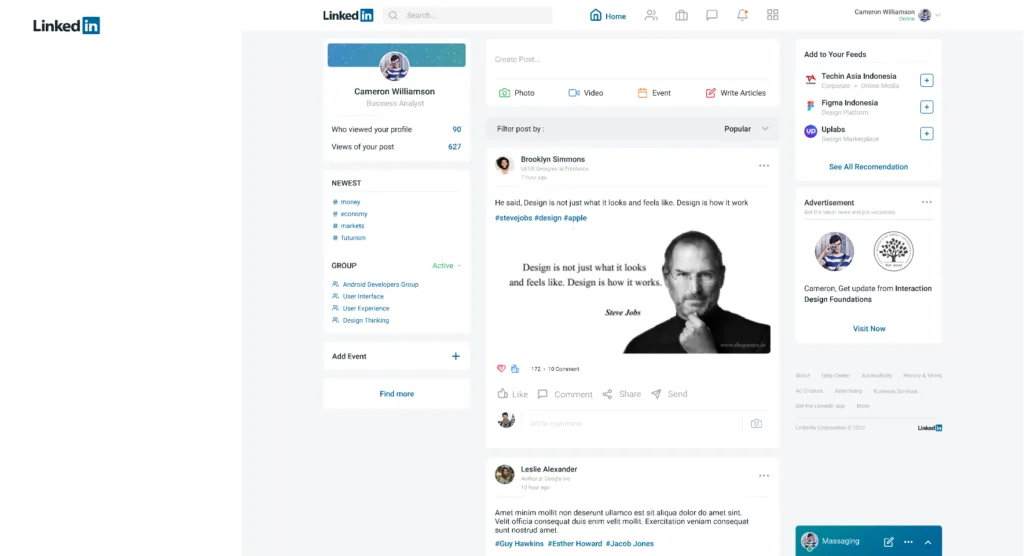
LinkedIn’s platform connects employee profiles to internal projects using LinkedIn data and skills insights.
Key Features:
- Skills Transparency: Uses LinkedIn skills data.
- Project Matching: Supports short-term work.
- Familiar Interface: Easy employee adoption.
Best for: Organizations leveraging LinkedIn learning and profiles.
9. Degreed
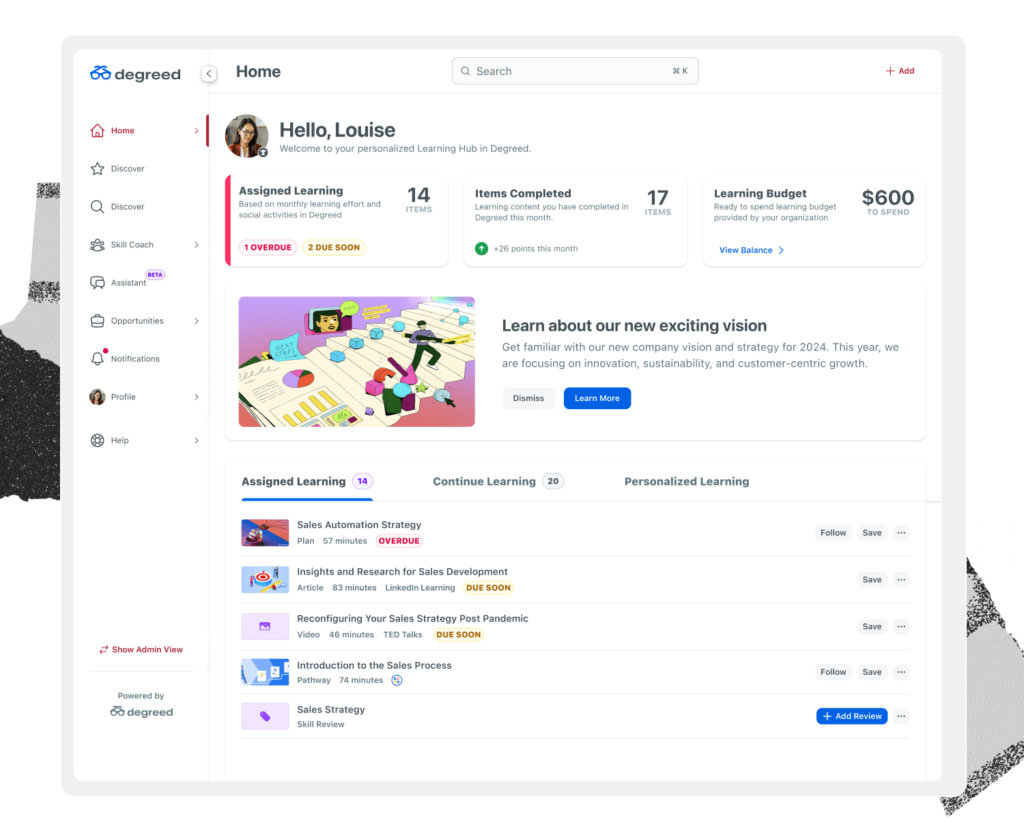
Degreed extends its learning platform into internal opportunities. It connects skill development to internal roles.
Key Features:
- Learning Integration: Links skills to content and roles.
- Skill Tracking: Supports ongoing development.
- Career Visibility: Encourages self-directed growth.
Best for: Learning-led mobility strategies.
10. Cornerstone
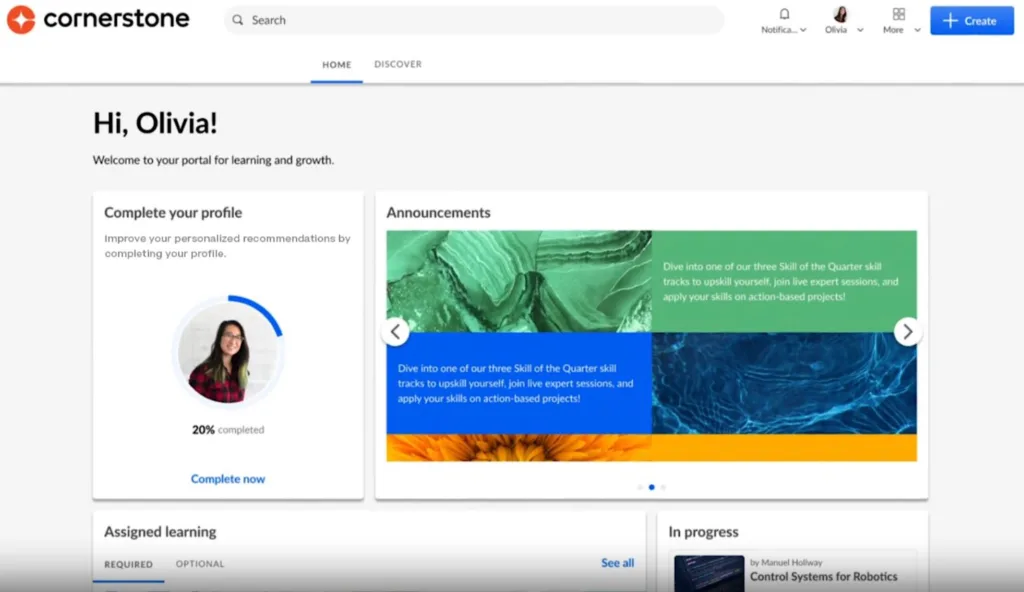
Cornerstone offers internal mobility tools within its talent management suite. It supports internal roles and skill alignment.
Key Features:
- Integrated Talent Suite: Connects performance and learning.
- Opportunity Discovery: Surfaces internal roles.
- Analytics: Supports HR reporting.
Best for: Organizations using Cornerstone for talent management.
Benefits of Internal Mobility Platforms
Internal mobility software creates a more resilient and future-ready workforce by retaining critical talent, increasing organizational flexibility, and ensuring opportunities and development investments deliver measurable impact.
Improved Talent Retention
Internal mobility platforms help employees see future options within the organization. Visibility into roles and development paths reduces external job searching and supports longer tenure.
Stronger Workforce Agility
Organizations can redeploy talent faster when skills and opportunities stay visible. This supports business continuity and changing priorities.
More Equitable Access to Opportunities
Structured platforms reduce reliance on informal networks. Potential internal candidates gain clearer access to roles, projects, and mentors across teams.
Better Use of Development Investment
Linking learning, mentoring, and movement improves return on development spend. Employees apply skills in real roles faster.
Building a Sustainable Internal Mobility Strategy
Internal mobility works best when supported by structure, transparency, and ongoing career conversations. Platforms alone do not drive outcomes. Programs that connect mentoring, development planning, and opportunity access show stronger results over time.
MentorcliQ supports this approach by combining internal mobility with structured mentoring and measurable insights. HR leaders gain visibility. Employees gain clarity and support.
Book a Demo with MentorcliQ to learn how your organization can build stronger, scalable mentoring programs through its own dedicated internal talent mobility platforms.