

Peer networks support talent development and community building across an organization. These platforms help people form structured connections, share knowledge, and participate in reciprocal learning.
Organizations report higher engagement when employees feel connected across roles and backgrounds. MentorcliQ’s Mentoring Impact Report shows that employees in mentoring programs experience a 50% higher retention rate compared to nonparticipants, highlighting the value of structured peer relationships in long-term engagement.
As companies build cultures of shared learning, peer-to-peer networking platforms offer scalable ways to create ongoing conversations, strengthen belonging, and support development at every level.
What Is a Peer Networking Platform?
A peer networking platform is a digital system that facilitates structured or semi-structured connections among employees at similar or adjacent levels. According to the Oxford Dictionary of Business and Management, networking is the act of “developing and maintaining contacts for information exchange and support.”
Peer networking platforms extend this practice by using technology to create matches, coordinate meetings, and track participation across groups such as onboarding cohorts, ERGs, and professional communities.
Key Features of Peer Networking Platforms You Should Look For
Peer networking tools vary in scope. You need features that support scale, consistency, and measurable outcomes.
Matching Capabilities
Matching connects employees with peers based on skills, goals, or shared interests. Effective algorithms reduce manual coordination and support fair, inclusive pairing across a large population.
Automated Program Management
Automation reduces administrative load. Platforms with workflows, nudges, and integrated scheduling help teams coordinate cohorts, ERGs, and peer groups without manual follow-up.
Engagement Tracking
Engagement data helps you understand participation levels, meeting activity, and interaction patterns. This informs program refinement and demonstrates value to leadership.
Reporting and Insights
Reporting captures qualitative and quantitative outcomes. Analytics help you assess connection quality, identify trends, and demonstrate ROI for retention, engagement, and development.
Integrations
Integrations with HRIS, communication tools, and calendar systems streamline user access and improve adoption by meeting employees in their existing workflows.
10 Best Peer Networking Platforms for Employee Connection and Growth
1. MentorcliQ
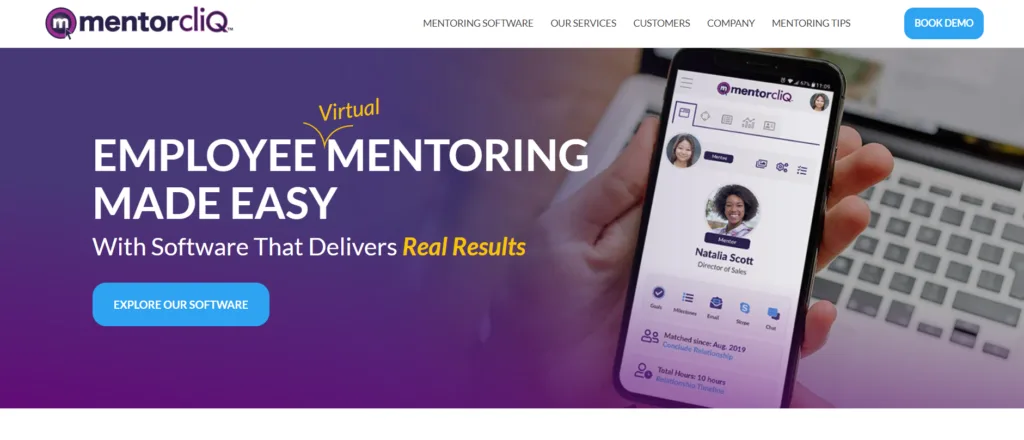
MentorcliQ is an industry-leading platform for structured mentoring and peer networking. It supports ERGs, onboarding cohorts, and skill-based communities with automated workflows that reduce administrative work. Matching, guided conversations, and robust analytics help organizations build consistent, scalable peer networks across global teams. MentorcliQ’s program dashboards offer a clear picture of participation and outcomes, increasing visibility for HR and DEI leaders.
Key Features:
- Smart Matching: Algorithmic matching creates equitable peer pairings and groups at scale.
- Automated Program Management: Workflows, prompts, and scheduling reduce manual coordination for program owners.
- Comprehensive Analytics: Dashboards track engagement, retention impact, and development outcomes across programs.
Best for: Large enterprises building structured peer networks, ERGs, and mentoring programs with measurable ROI.
2. Together Platform
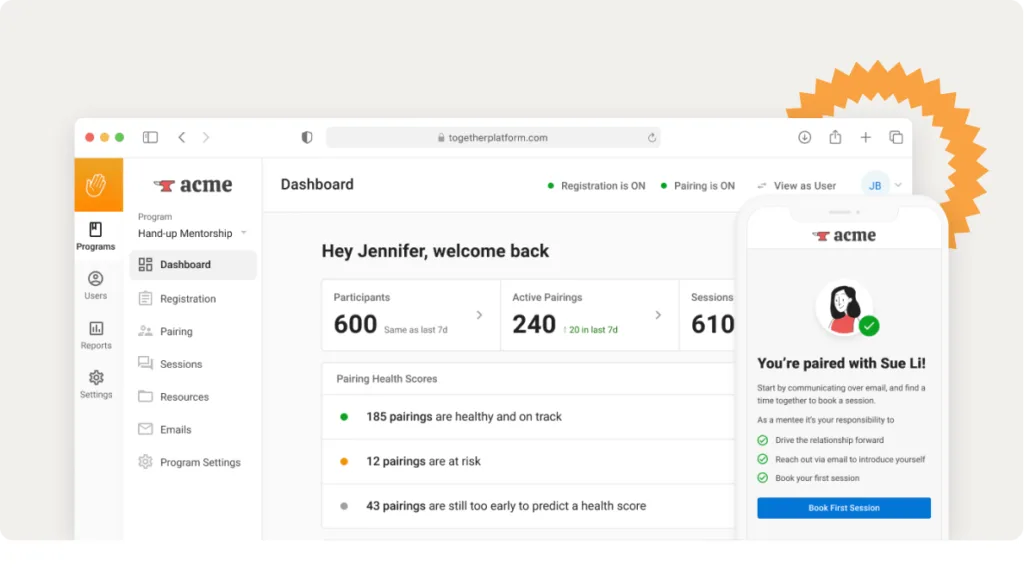
Together offers mentoring and peer networking tools with guided templates and structured workflows. Organizations use it for cohort-based learning and skill-sharing.
Key Features:
- Matching Workflows: Role-based criteria support pairing for peer learning.
- Session Agendas: Conversation templates guide consistent meetings.
- Reporting Tools: Engagement metrics support program oversight.
Best for: Mid-size to large organizations implementing structured learning cohorts.
3. Qooper
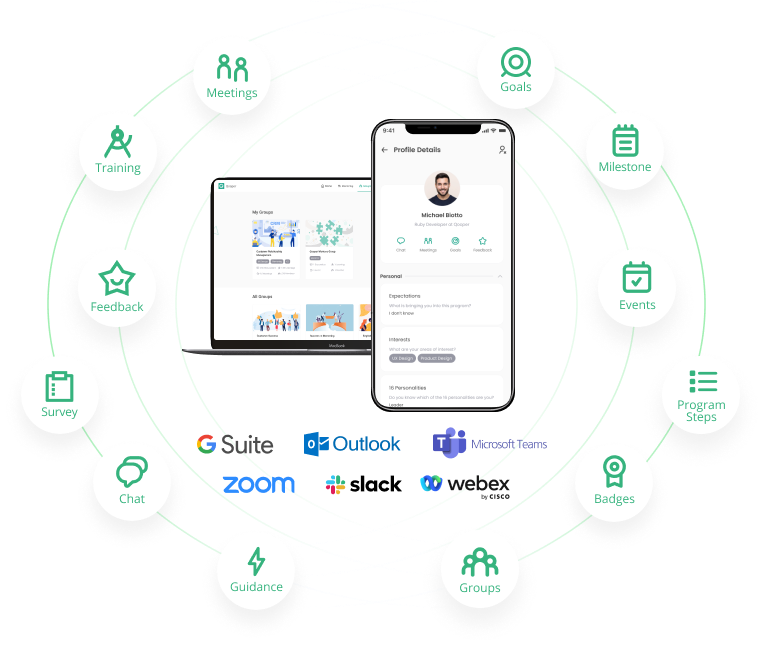
Qooper supports mentoring, peer learning groups, and communities with automated workflows.
Key Features:
- Group Networking: Cohort groups help participants share learning goals.
- Automated Reminders: Prompts encourage users to stay active.
- Goal Tracking: Users follow progress across shared development goals.
Best for: HR teams seeking a flexible mix of 1:1 and group networking.
4. People360 (Formerly known as Insala)
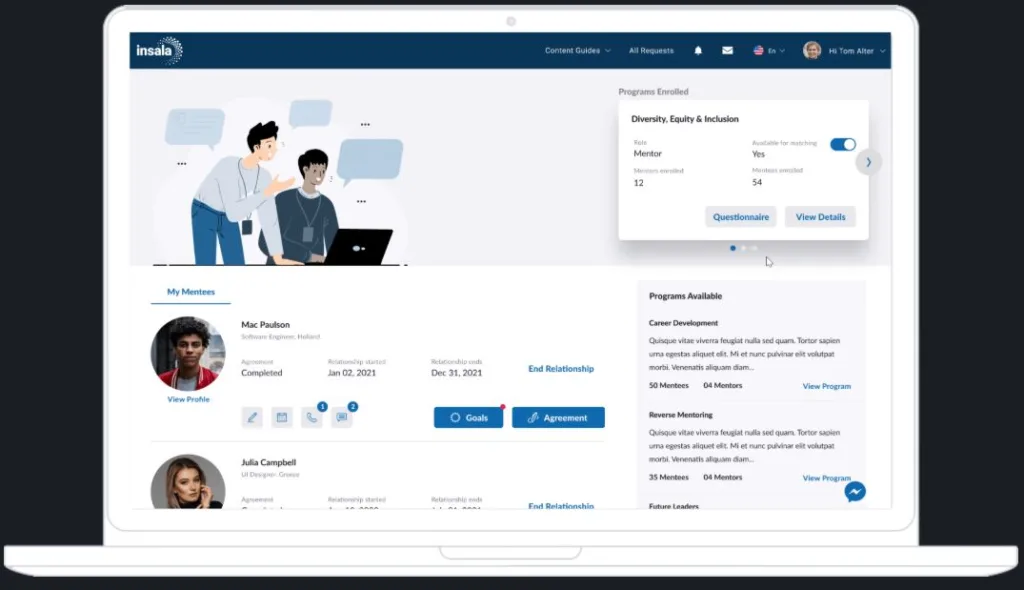
People360 provides mentoring and career development tools that support peer conversations.
Key Features:
- Competency Matching: Matches peers based on development areas.
- Learning Paths: Structured content supports ongoing conversations.
- Reporting Dashboards: Insight into participation and satisfaction.
Best for: Organizations focused on workforce development and succession planning.
5. Chronus
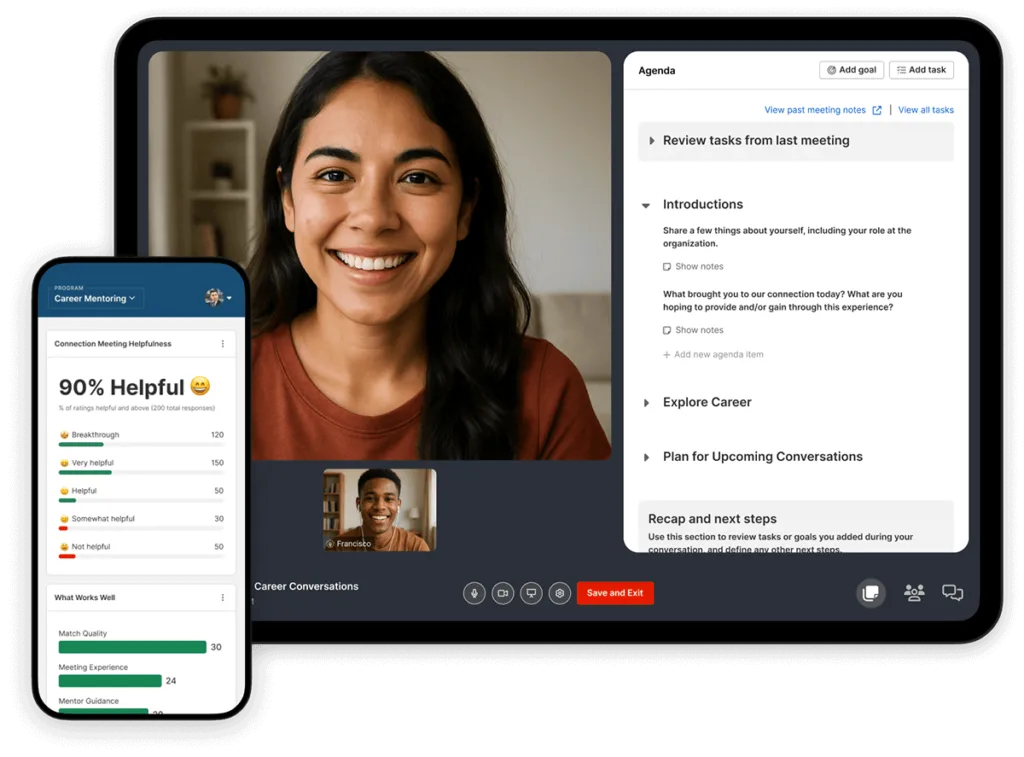
Chronus enables mentoring and peer networks with configurable workflows.
Key Features:
- MatchIQ Engine: Pairs participants using preference and goal data.
- Guided Programs: Templates support consistent interactions.
- Analytics: Participation metrics inform program improvement.
Best for: Enterprises with complex, multi-program ecosystems.
6. Guider
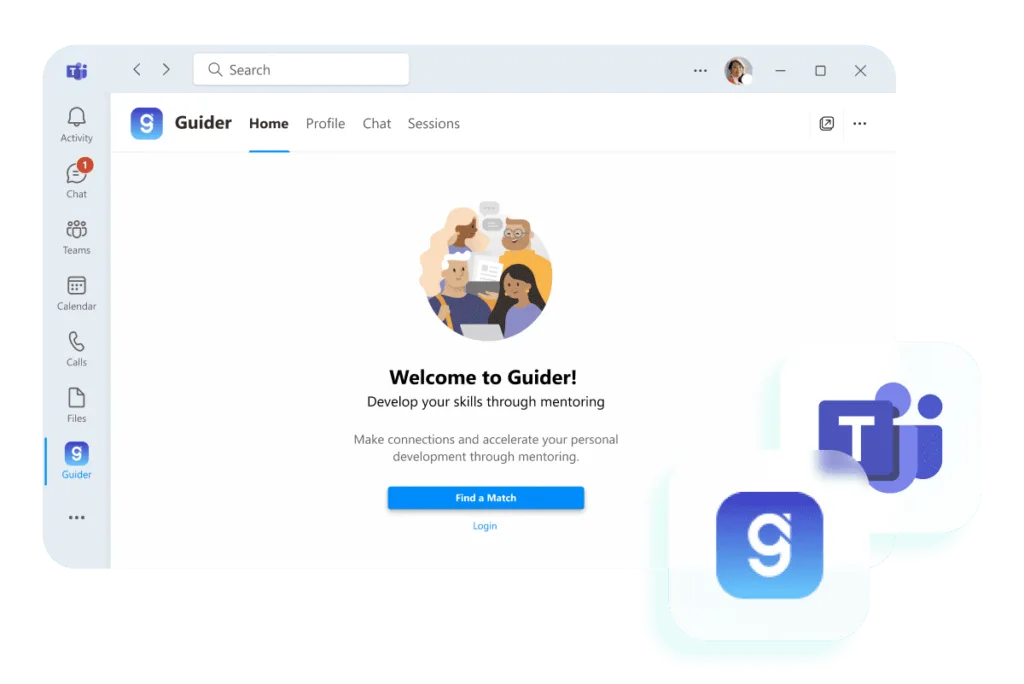
Guider supports mentoring and peer networking with user-friendly onboarding and engagement tools.
Key Features:
- Matching Questions: Captures preferences for peer learning.
- Learning Resources: Guides help users structure meetings.
- Engagement Insights: Tracks meeting frequency and activity.
Best for: Organizations beginning to formalize mentoring and peer networks.
7. Ten Thousand Coffees
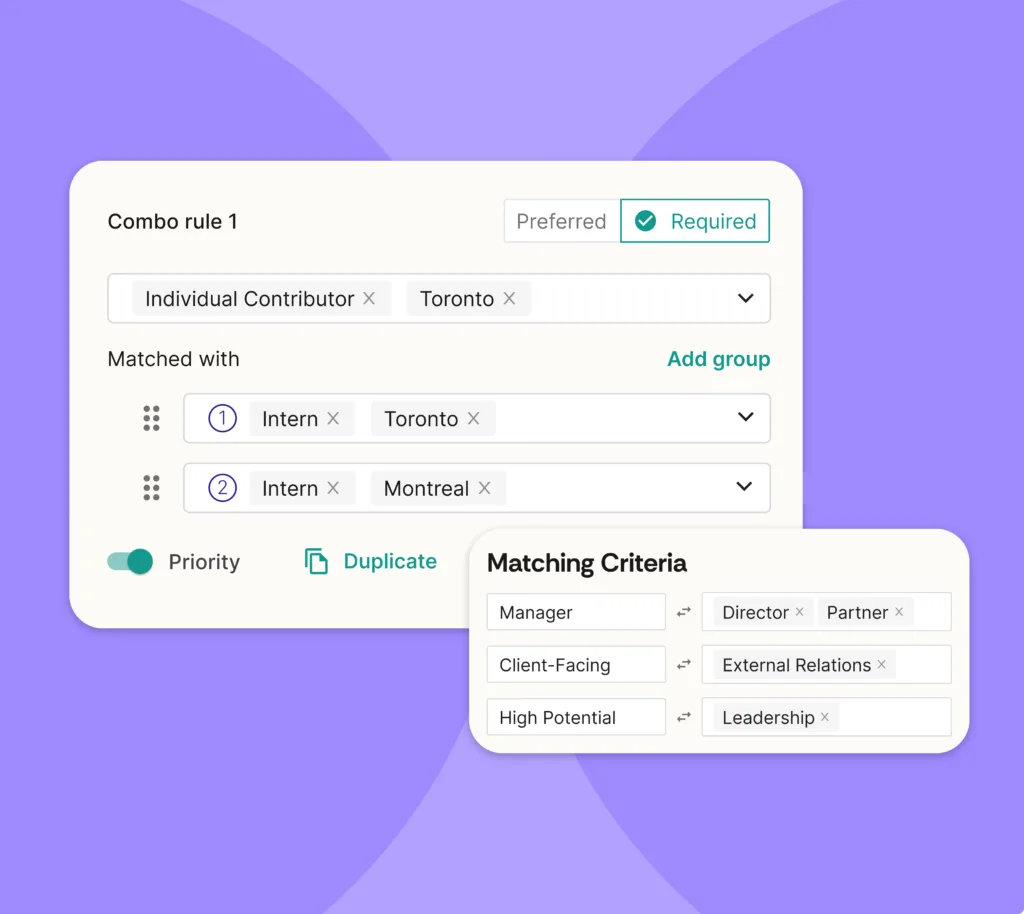
Ten Thousand Coffees focuses on peer networking, coffee chats, and career conversations across distributed teams.
Key Features:
- Smart Coffee Chats: Automated introductions spark peer conversations.
- ERG Support: Tools for community-based networking.
- Analytics: Measures connection activity across groups.
Best for: Organizations emphasizing informal, conversation-driven networking.
8. PeopleGrove
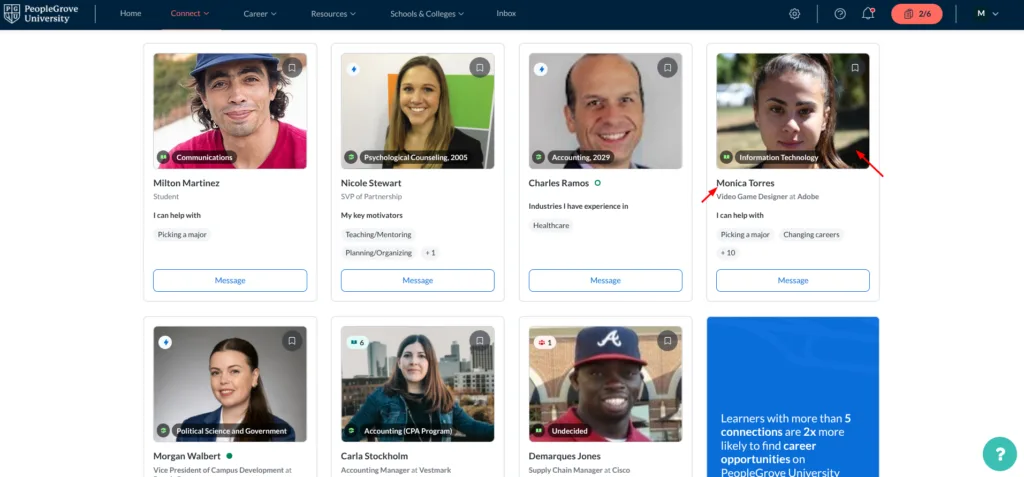
PeopleGrove supports peer networking primarily for universities but is also used in corporate alumni settings.
Key Features:
- Community Hubs: Spaces for peer discussion and skill exchange.
- Career Connections: Tools for topic-driven networking.
- Engagement Metrics: Tracks activity across communities.
Best for: Organizations running alumni or early-career networks.
9. Hivebrite
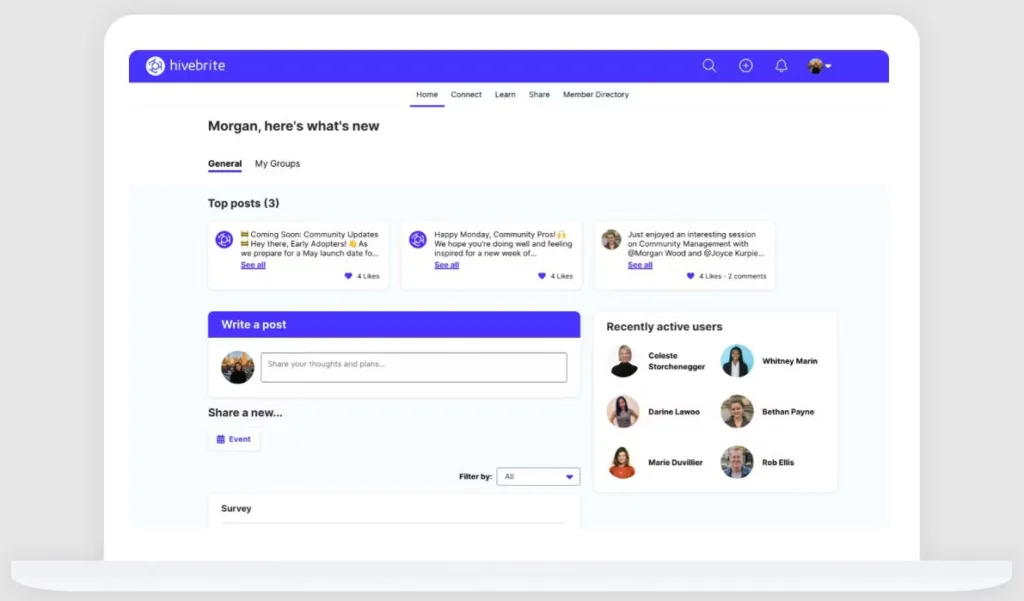
Hivebrite is a community and networking platform that supports peer groups and member engagement.
Key Features:
- Community Spaces: Configurable hubs for peer interactions.
- Event Management: Tools to host networking sessions.
- Dashboards: Metrics on member activity and participation.
Best for: Organizations building community-driven peer networks.
10. Circle.so
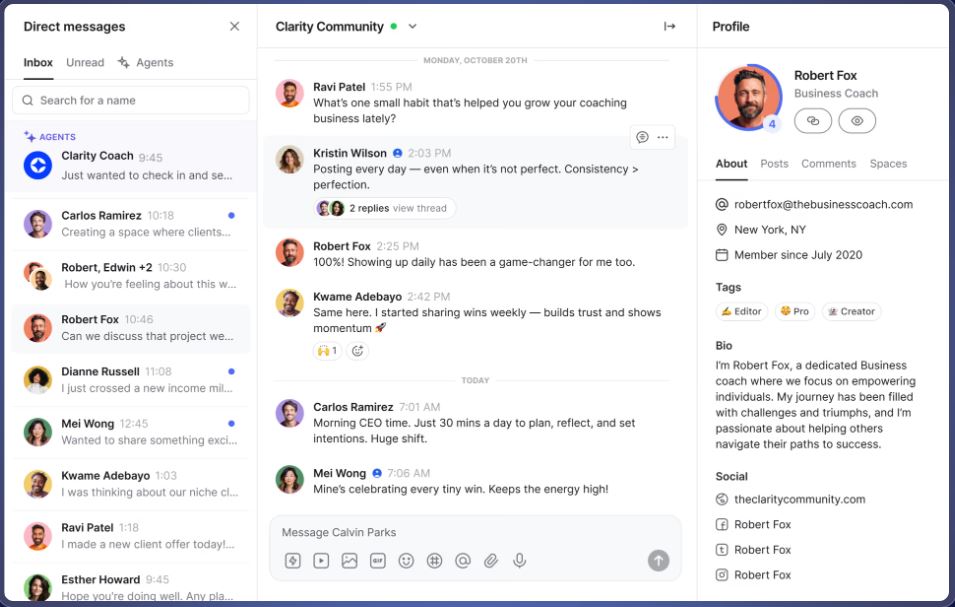
Circle.so is a modern platform for building online communities and peer networks around shared interests or professional goals.
Key Features:
- Community Spaces: Create multiple spaces for discussion, groups, or projects.
- Member Engagement: Discussion threads, direct messaging, and notifications.
- Integration Tools: Embed content, connect with Slack, Zapier, or other apps.
Best for: Organizations or groups looking to host structured peer communities, professional networks, or cohort-based learning programs.
Benefits of Peer Networking Platforms
P2P networks strengthen connection, accelerate knowledge sharing, scale development, and energize employee communities, creating a more engaged and collaborative workplace.
Stronger Employee Connection
Peer networking platforms help people build meaningful relationships across teams. These recurring conversations strengthen belonging and support retention by giving employees a consistent community anchor.
Knowledge Sharing Across Roles
Peers transfer knowledge efficiently. Networking platforms facilitate practical conversations that build shared understanding, support problem-solving, and reduce onboarding time.
Scalable Development Support
Programs scale across geographies and business units. HR teams use platforms to manage cohorts, track participation, and deliver development opportunities without manual coordination.
Increased Engagement in ERGs and Communities
Peer networking energizes ERGs and communities of practice. When employees participate in structured peer conversations, ERGs gain momentum and contribute measurable cultural impact.
Building Connected Teams Through Peer Networks
Leaders continue to prioritize belonging, distributed teamwork, and development at scale. Peer networking platforms meet these needs by creating structured spaces for people to connect, learn, and grow together.
When supported by automated workflows and clear analytics, peer networks reduce administrative work and provide measurable outcomes for engagement, retention, and development.
Book a Demo with MentorcliQ to learn how your organization can build stronger, scalable mentoring programs.