
Top 10 Learning Management Systems for Employee Development
WHAT’S INSIDE
I want CliQ Updates!
Learning leaders need tools that support continuous development at scale. An LMS can centralize training, streamline compliance, and make learning accessible across teams and locations. Strong systems connect learning to performance, provide reporting leaders can use, and link formal learning with people-driven development such as mentoring.
Employees in mentoring programs are promoted 5x more often, according to MentorcliQ’s Mentoring Stats. When LMS platforms integrate with mentoring, organizations create development pathways that produce measurable results.
Below, you’ll find clear guidance on what LMS software is, which features matter, and how today’s leading systems compare.
What Is a Learning Management System?
A learning management system is a software application used to administer, document, track, and deliver training and education programs. The Oxford Dictionary of Business and Management defines a learning management system as a digital tool that manages learning processes, including course delivery, assessment, and reporting.
Key Features of Learning Management Systems You Should Look For
Organizations select LMS platforms to create accessible learning experiences and manage compliance at scale. The strongest systems improve training efficiency, support blended learning, and offer analytics that leaders can operationalize.
Course Authoring
Course authoring tools help teams build structured training without external design support. They reduce production time and allow L&D teams to update content quickly as skills or policies change.
User Management
User management centralizes enrollment, permissions, and learning paths. It supports segmentation by role or department and maintains consistency for large or distributed workforces.
Reporting and Analytics
Reporting dashboards help leaders track completions, skill growth, and compliance. Strong analytics connect learning behaviors to performance and help teams target support.
Integrations
Integrations link the LMS to HRIS, talent management, and mentoring software. They reduce administrative work and create a cohesive development ecosystem across the employee lifecycle.
Mobile Learning
Mobile access supports training across shifts, locations, and travel. It increases participation and creates more flexibility for frontline or hybrid workforces.
10 Best Learning Management Systems for Employee Development
1. MentorcliQ
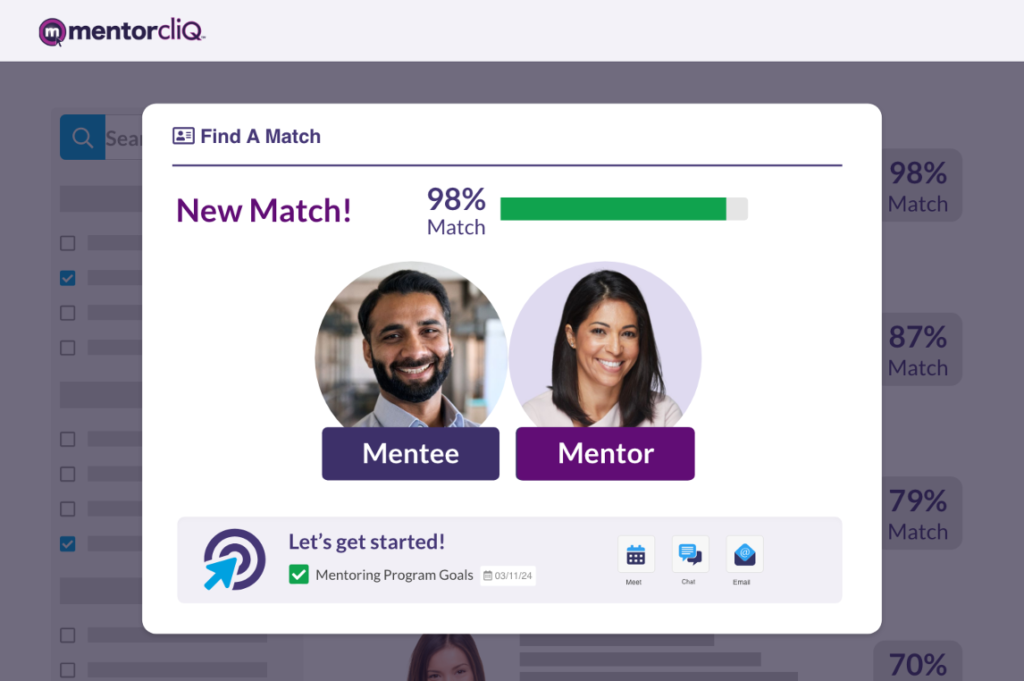
MentorcliQ offers an industry-leading LMS-adjacent experience focused on structured learning through mentoring, ERGs, and talent development. Its platform aligns learning pathways with personalized guidance and automated matching. Organizations use MentorcliQ to connect coursework, coaching, and real-time career conversations in a single system. Its robust analytics help leaders measure retention, advancement, and participation. MentorcliQ reduces administrative work for L&D and HR teams while giving employees a clear, relationship-driven learning experience.
Key Features:
- Automated Matching: Aligns mentors and mentees based on skills, goals, and identity preferences to support equitable access.
- Program Management Tools: Reduces manual administration and supports enterprise-wide learning initiatives.
- Impact Analytics: Measures outcomes such as engagement, retention, and readiness to guide strategic decisions.
Best for: Large enterprises building scalable, relationship-centered development programs.
2. Docebo
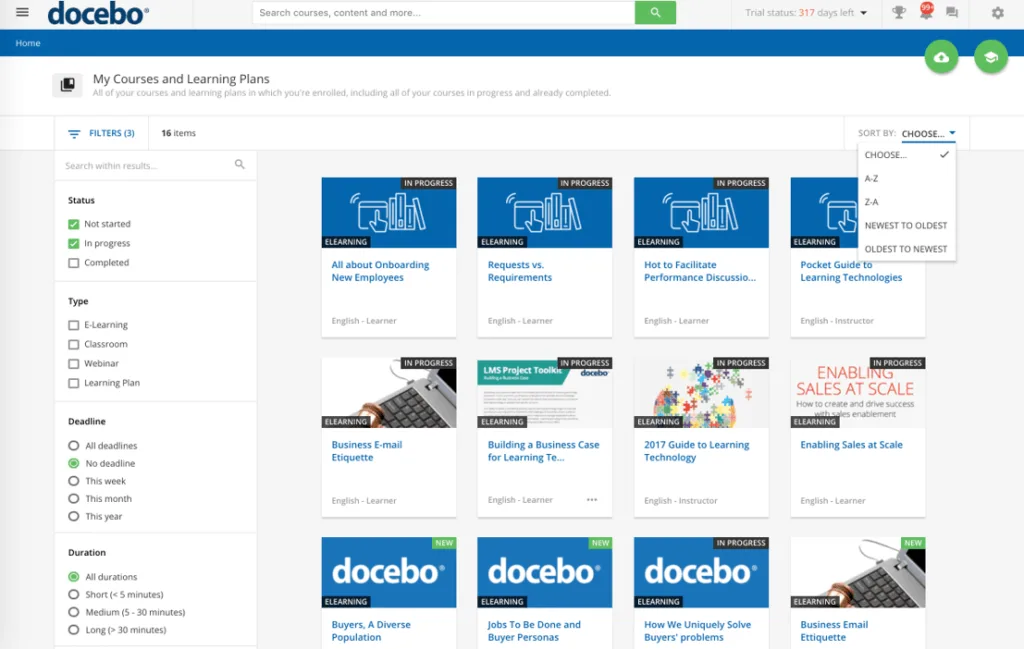
Docebo is a cloud-based LMS that supports AI-driven content recommendations and blended learning. It appeals to organizations seeking automation and strong integrations.
Key Features:
- AI Recommendations: Curates content based on learner behavior.
- Content Marketplace: Provides instant access to external training libraries.
- Scalable Architecture: Supports complex global deployments.
Best for: Mid-size to large companies seeking flexible, modern learning delivery.
3. Cornerstone
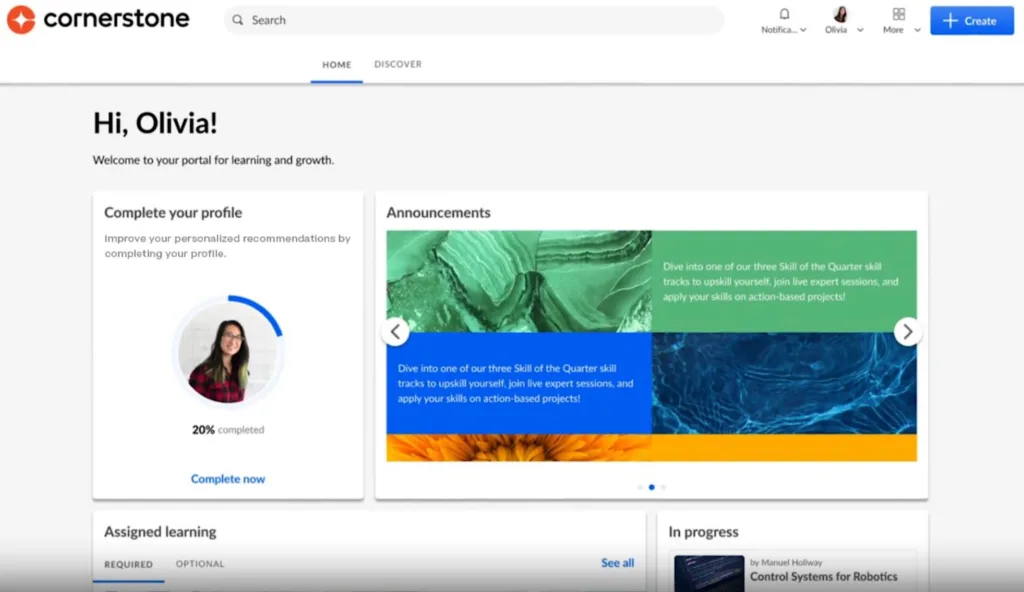
Cornerstone integrates compliance, performance, and learning management. Its ecosystem supports talent mobility and career pathways.
Key Features:
- Skills Graph: Maps skill needs to learning activities.
- Compliance Tools: Tracks mandatory training across regulated industries.
- Content Studio: Curates topical training in a central hub.
Best for: Organizations aligning learning with performance and talent planning.
4. SAP SuccessFactors
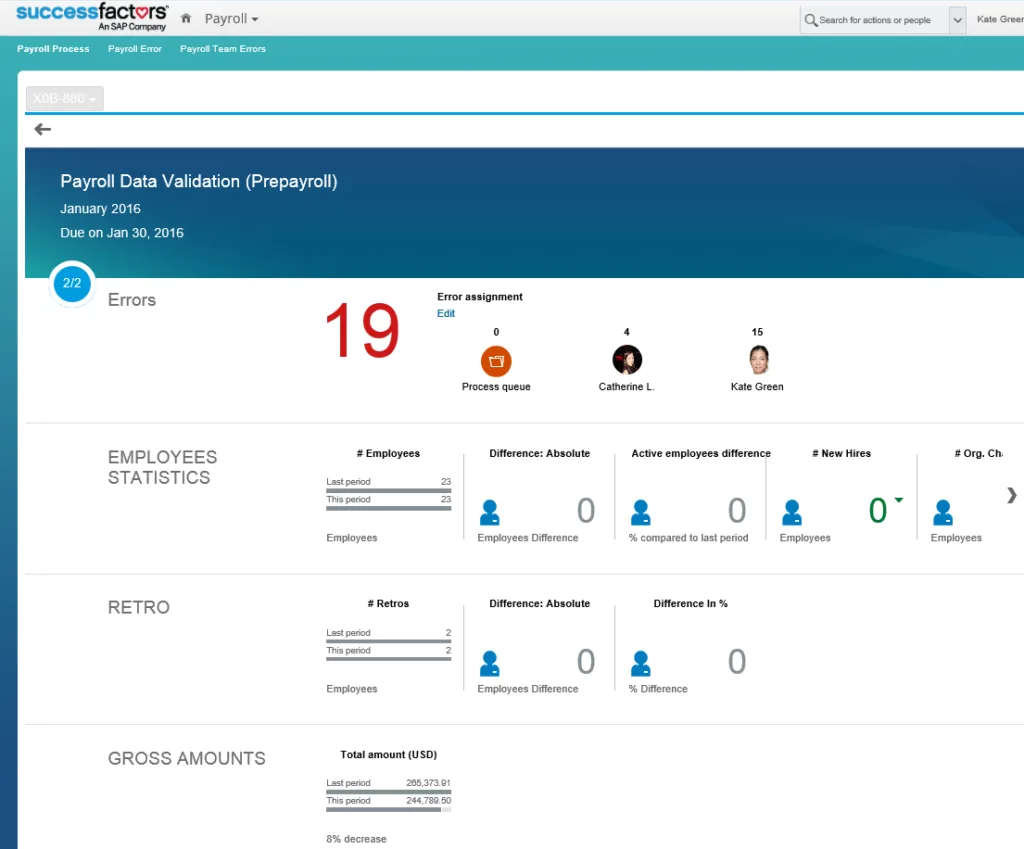
SuccessFactors provides structured learning management within its broader HCM suite. Its global compliance tools support complex workforce needs.
Key Features:
- Regulatory Tracking: Supports certification and audit readiness.
- Extended Enterprise: Delivers training to partners or customers.
- Learning Journeys: Connects coursework to role requirements.
Best for: Enterprises running SAP for HR and compliance.
5. TalentLMS
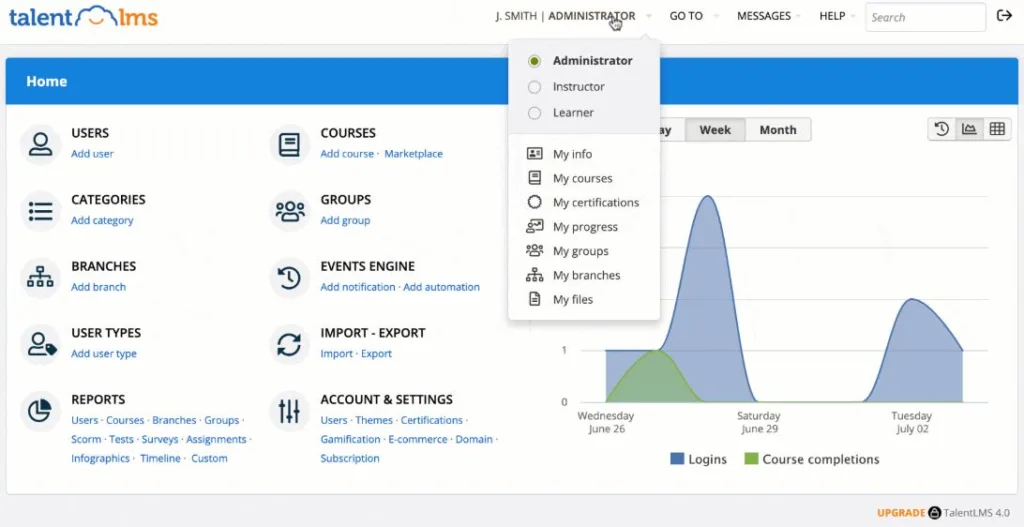
TalentLMS offers a lightweight, easy-to-deploy platform for smaller teams. It prioritizes simplicity and fast setup.
Key Features:
- Drag-and-Drop Builder: Speeds up course creation.
- Role-Based Access: Simplifies administration for small teams.
- Gamification Options: Supports engagement for distributed learners.
Best for: Small to mid-size organizations needing a quick-start LMS.
6. Absorb LMS
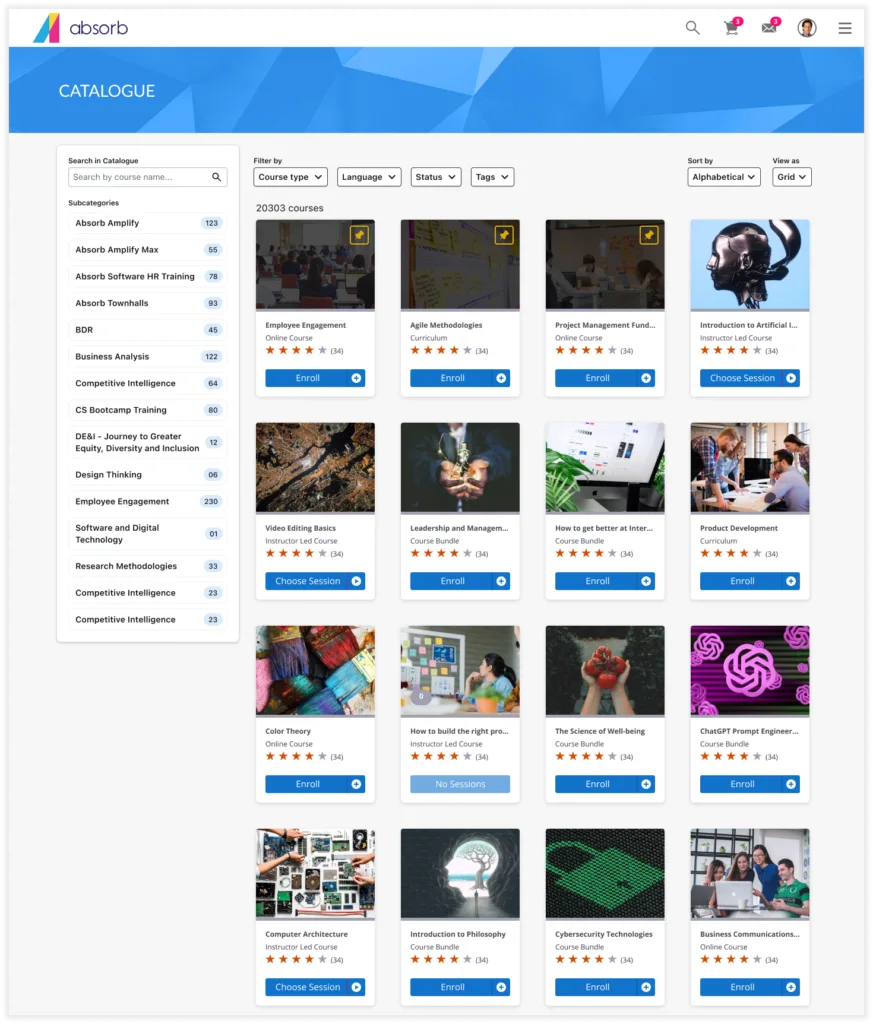
Absorb delivers a polished learner experience with strong administrative controls. It supports multitenancy for organizations with multiple audiences.
Key Features:
- Smart Administration: Automates enrollments and learning paths.
- E-Commerce Tools: Monetizes training programs.
- Analytics Dashboards: Tracks outcomes in real time.
Best for: Organizations offering internal and external training.
7. Moodle Workplace
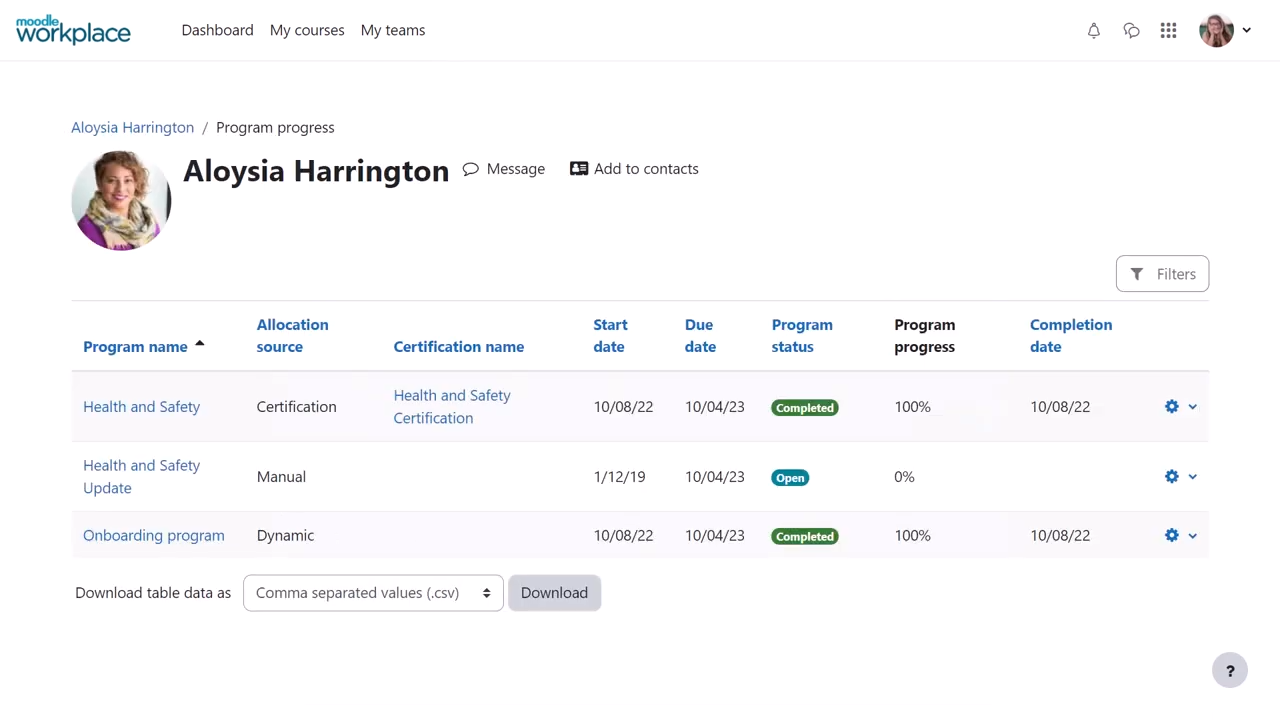
Moodle Workplace extends the open-source Moodle platform with enterprise tools. It supports customizable and budget-friendly deployments.
Key Features:
- Flexible Architecture: Allows deep customization.
- Multi-Tenancy: Segments training across departments or clients.
- Automated Rules: Triggers learning paths and workflows.
Best for: Organizations seeking open-source control and extensibility.
8. LearnUpon
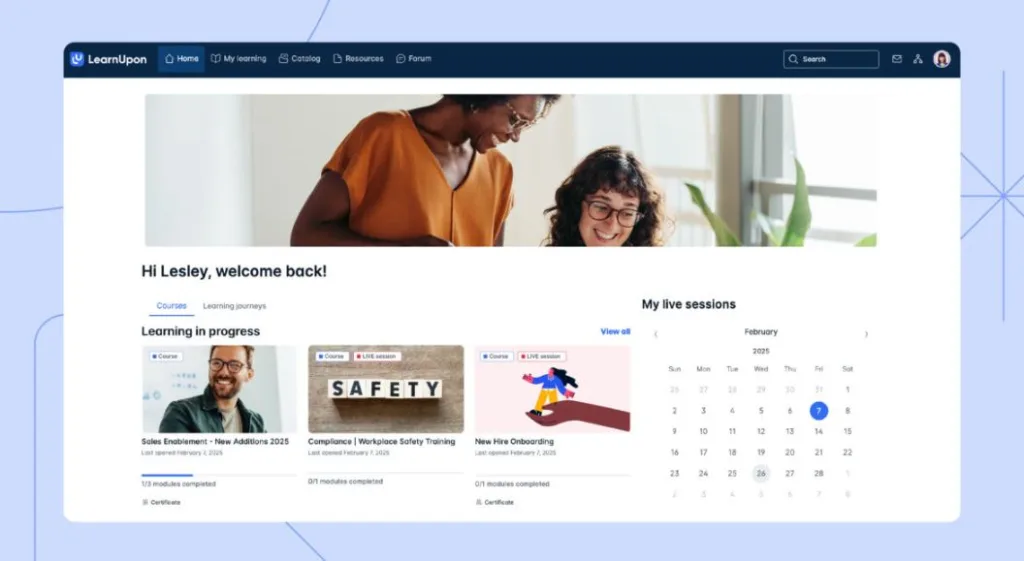
LearnUpon specializes in training delivery for employees, customers, and partners. Its interface is streamlined for fast onboarding.
Key Features:
- Multi-Audience Support: Delivers tailored learning portals.
- Certification Management: Tracks renewals and expirations.
- Robust Integrations: Connects to HRIS and CRM platforms.
Best for: Companies needing unified internal and external training.
9. Anthology
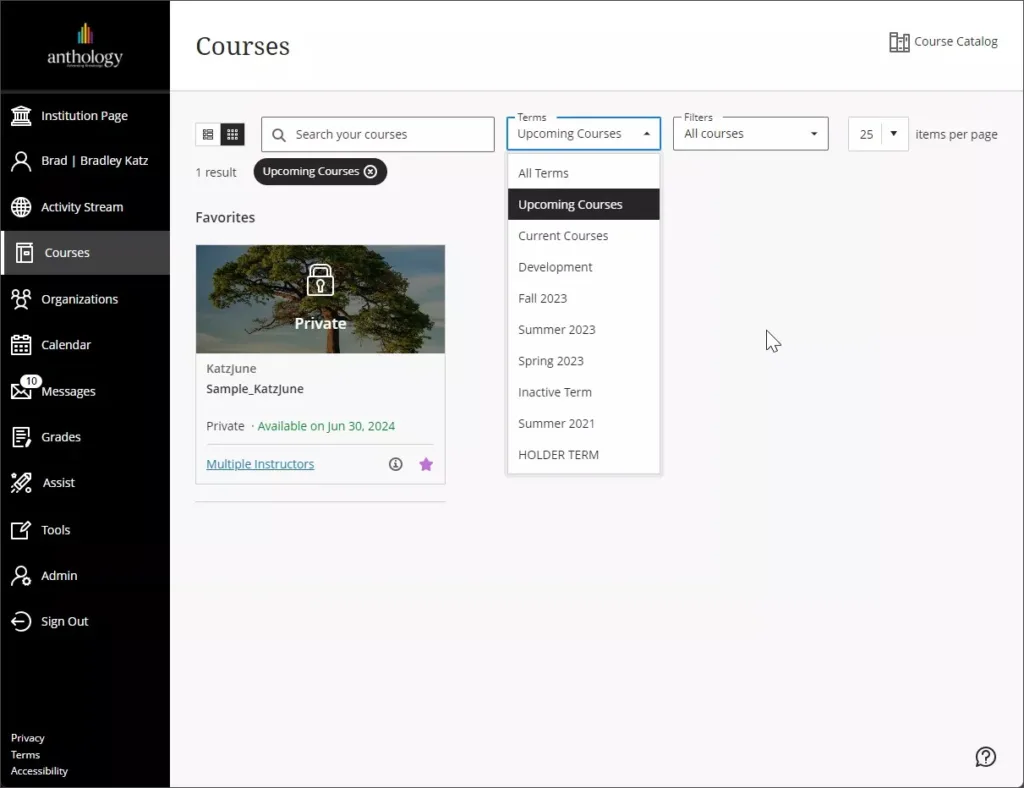
Anthology supports academic and corporate learning with strong assessment tools. It offers accessibility features and a well-established framework.
Key Features:
- Assessment Engine: Provides quizzes, rubrics, and evaluations.
- Collaboration Tools: Supports peer discussion and feedback.
- Content Management: Centralizes materials for large catalogs.
Best for: Organizations blending academic-style and corporate training.
10. Litmos
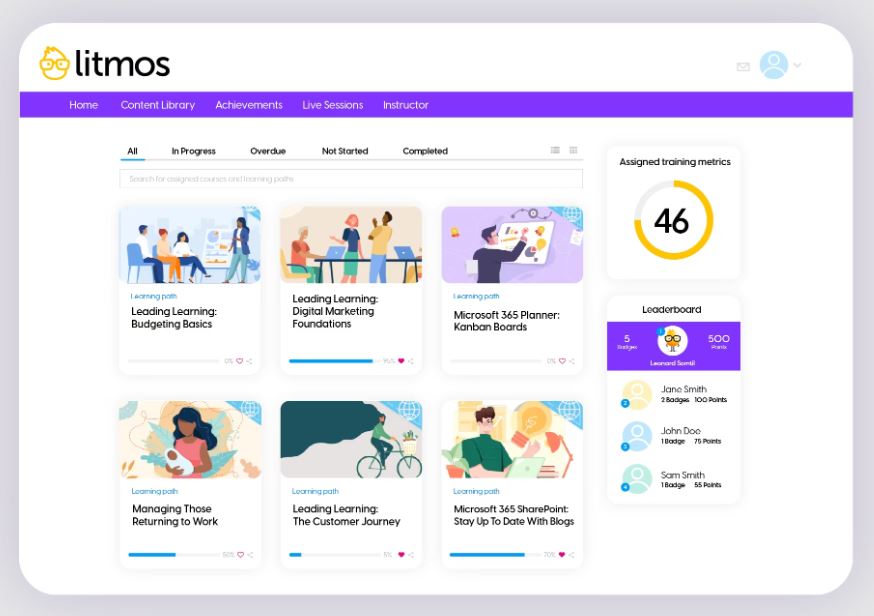
Litmos delivers streamlined compliance training with rapid deployment. It includes built-in content and mobile-ready access.
Key Features:
- Prebuilt Courses: Supports immediate compliance readiness.
- Automated Assignments: Simplifies large-scale enrollment.
- Mobile Delivery: Enables on-the-go training.
Best for: Companies needing fast, compliance-first learning.
Benefits of Learning Management Systems
A centralized LMS streamlines employee training delivery, strengthens development outcomes, ensures scalable compliance, and provides actionable analytics to guide smarter workforce planning.
Centralized Learning Delivery
An LMS creates a structured hub for training. Leaders build courses, assign learning paths, and track participation without managing multiple tools. This reduces manual work and maintains consistency across teams.
Better Employee Development Outcomes
Structured training improves skill growth and role readiness. When LMS platforms integrate with mentoring, employees apply new skills through real conversations and ongoing support.
Scalable Compliance Management
Compliance training becomes more predictable and accurate. Automated assignments and reminders help organizations maintain audit-ready records across locations and roles.
Actionable Analytics
Analytics highlight completion rates, skills gaps, and performance trends. Leaders use this data to plan training investments and shape workforce planning.
Building a Strong Learning Ecosystem
L&D and HR leaders manage growing expectations for impactful training programs. An LMS offers structure, but outcomes improve when learning connects to real human support. Pairing LMS training with mentoring produces stronger engagement, better retention, and clearer progression for employees.
MentorcliQ helps organizations build scalable learning programs grounded in relationships, analytics, and equitable access.
Book a Demo with MentorcliQ to learn how your organization can build stronger, scalable mentoring programs.
Modal