The Power of Connection: How Mentorship Builds Pathways from College to Career
Part of National First-Generation College Celebration Week
UPCOMING: November 5th | 12:00 PM ET
What if graduating from college is only part of the equation?
For first-generation, low-income college students, earning a degree can be a tremendous accomplishment—but getting there and knowing what comes next can be a very different journey.
Many students begin college without the same access to professional networks, career guidance, or personal support systems that others may take for granted. That’s where mentorship can make a powerful difference.
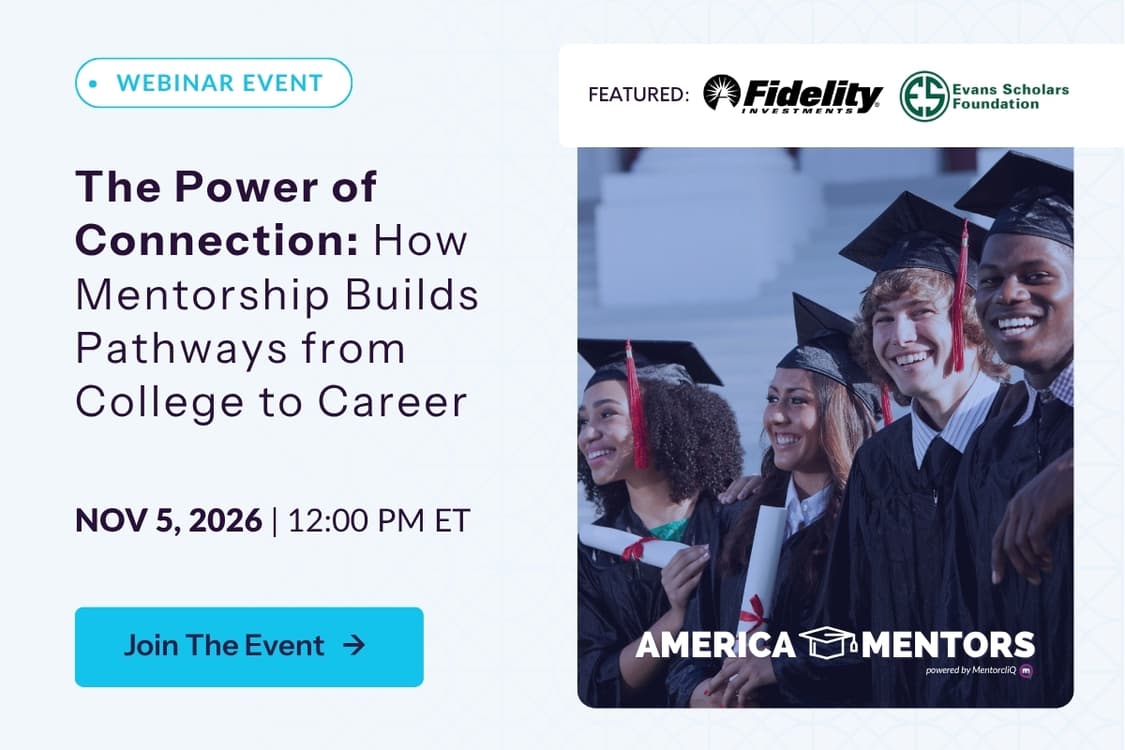
Join America Mentors, MentorcliQ’s nonprofit arm, for a thought-provoking conversation about how meaningful relationships can help first-generation students persist through college, build social capital, and create pathways from the classroom to meaningful careers.
In recognition of National First-Generation College Celebration Week, we’ll bring together leaders from higher education, social impact, and career development to explore what happens when we stop thinking about mentorship as simply a support program—and start seeing it as a pathway to opportunity.
In this conversation, we’ll explore:
- The barriers first-generation students face that have little to do with academic ability—and everything to do with access, relationships, and knowing how to navigate college and career.
- How mentorship can strengthen persistence, confidence, resilience, and a sense of belonging.
- Why relationships and social capital can be just as important as a degree when students transition into the workforce.
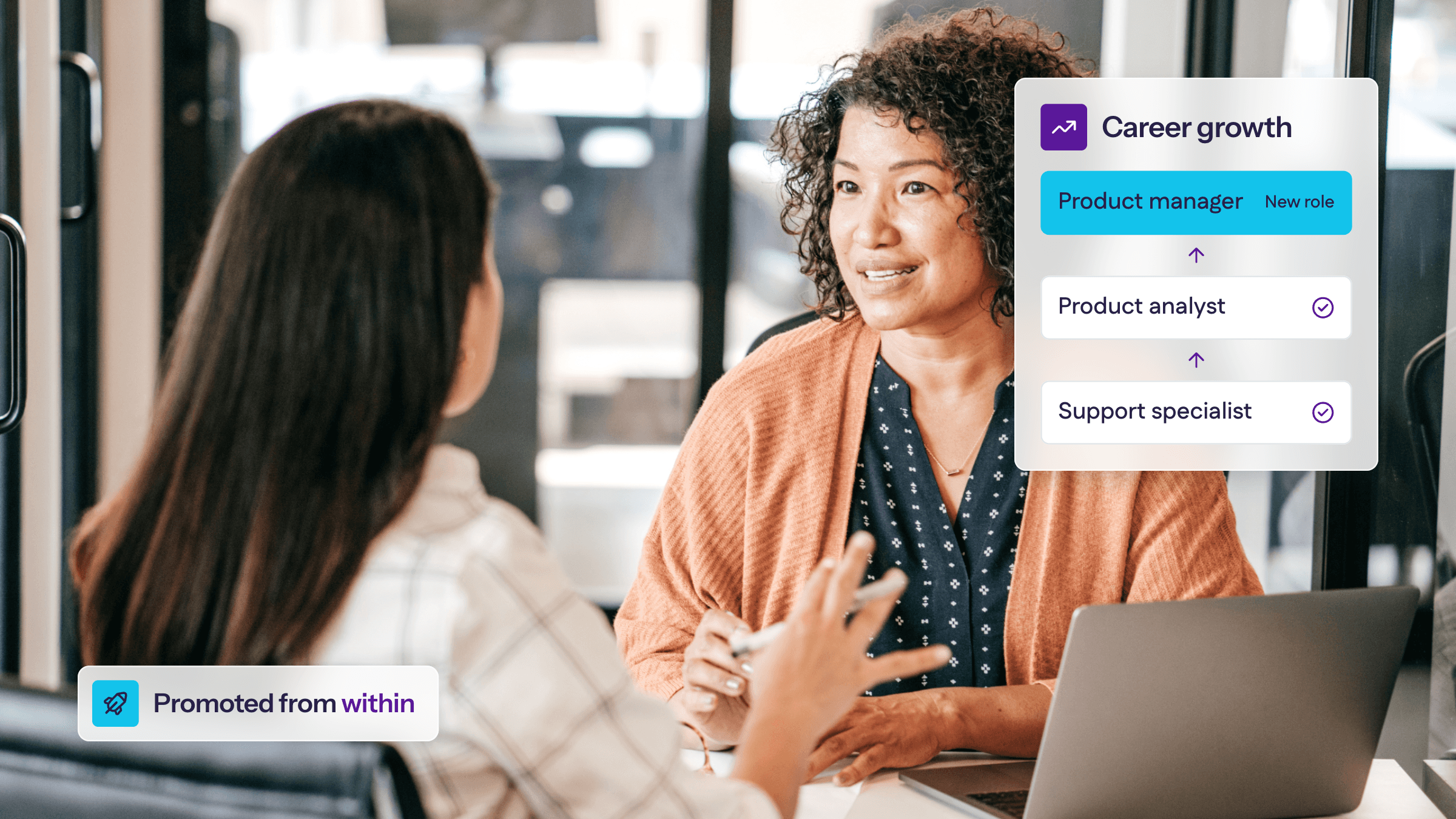
- How employers can play a meaningful role in creating access to professional networks and economic opportunity.
- What it takes to scale high-quality mentoring while keeping the human connection at the center.
- How technology and AI can support mentoring programs without replacing the relationships that make them meaningful.
Why This Conversation Matters
Only 27% of first-generation, low-income college students complete their bachelor’s degree within four years, and many begin their college journey without the same support systems available to second- and third-generation college students.
Yet mentorship can change the trajectory. Mentors provide guidance, encouragement, perspective, and connections that help students navigate the moments that can otherwise derail their journey.
And there is still a significant gap: only 1 in 3 students who want a mentor are able to get one.
So how do we close that gap?
How do we make meaningful mentorship available to more students—and ensure that the relationships they build in college continue opening doors long after graduation?